


By Yodit Tefera | yodittefera@gmail.com
It is an ordinary weekday in Addis Ketema, one of the busiest administrative districts in Addis Ababa. By 4 a.m., the streets are already filling with people heading to work. Commuters prepare to travel to regional towns, while breakfast vendors set out sweet tea and homemade bread for early customers.
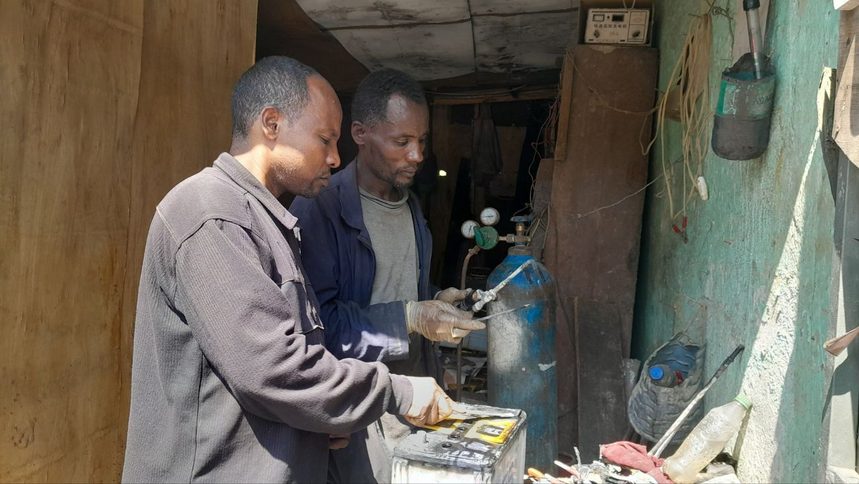
Among the crowds is Memher Abera Ulfata, an Orthodox religious scholar who earns his living repairing car batteries. His workshop is squeezed between a clothing shop, a vegetable vendor and another car-parts business. The six-square-metre space is crowded with damaged batteries, battery components and equipment awaiting repair. His work also spills onto the pavement, where employees carry out battery repairs.
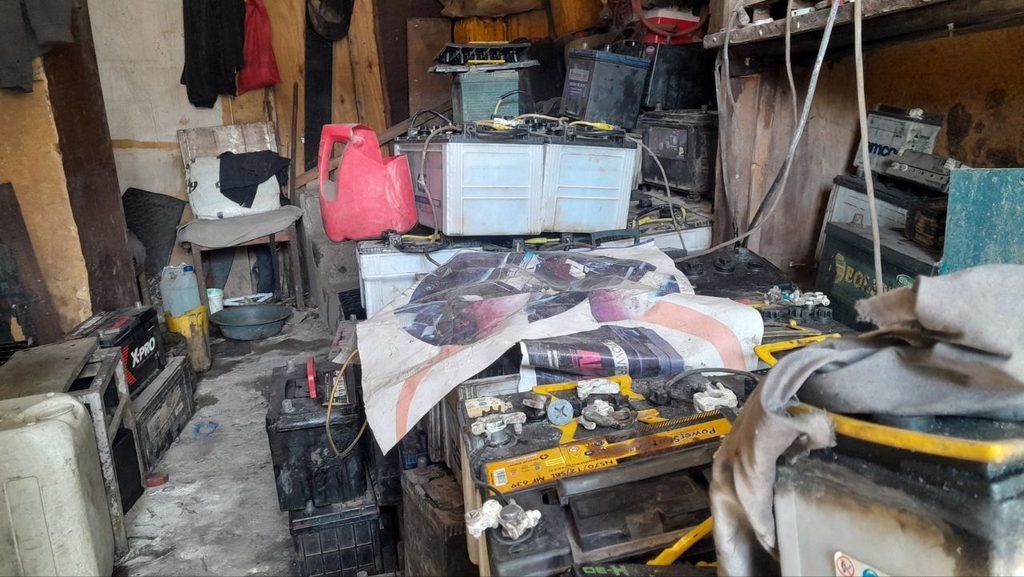
Abera has worked in the battery-repair business for more than 30 years. Yet it was only recently, following an awareness session organised by the district’s Environmental Protection Office and Vital Strategies, that he learned about the health risks associated with lead.
“I had never heard that the lead inside batteries could cause harm. Officials from the district office came and told us about the dangers. It was new information for those of us in the business,” he said.
He explained that his business had previously melted lead inside the shop. Following the awareness session, he says, they began carrying out the activity away from the workshop and using protective equipment. Abera added, the worker handling the lead also washes and changes clothes before returning.
His experience illustrates a wider public-health challenge in Ethiopia: how to turn awareness of lead poisoning into practical measures that protect workers, their families and surrounding communities.
Workagegnehu Gebra, a team leader at the district’s Environmental Protection Office, says communicating with battery-repair businesses was difficult initially.
“They were very suspicious of us. They thought we had an ulterior motive and that we were going to shut down their shops,” he said.
Over time, however, the relationship has improved. Workagegnehu says some workers are now following the advice provided by his team and taking greater care to protect themselves and the environment.
Lead exposure is particularly dangerous because it cannot be detected by sight, smell or taste. People may be exposed through contaminated soil and dust, unsafe recycling practices and certain consumer products. Workers can also carry contaminated particles home on their clothes, shoes and equipment, potentially exposing their families.
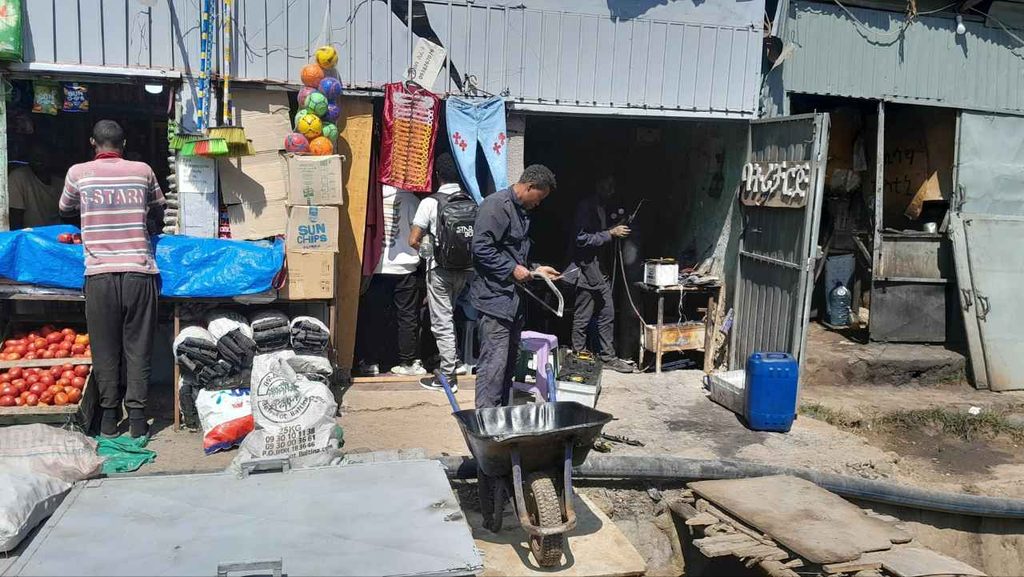
Used lead-acid batteries are a major source of potential exposure. Approximately 86% of lead used globally goes into the production of lead-acid batteries. When these batteries are dismantled or recycled without adequate safeguards, lead can contaminate the surrounding environment.
Ashenafie Bereded, a programme manager at Vital Strategies, explains that exposure can occur through contact with contaminated materials, inhalation of fumes during unsafe melting and ingestion of lead particles when workplace hygiene is inadequate.

The consequences can be serious. Lead can affect the brain, kidneys and cardiovascular system, among other organs. Children are particularly vulnerable because exposure can interfere with their brain development.
More than 3.5 million deaths worldwide were attributed to lead exposure in 2023, primarily through cardiovascular effects, according to the World Health Organization (WHO).
For Ethiopia, the challenge is not simply identifying the dangers but building effective systems to prevent exposure.
From awareness to prevention
The awareness activities in Addis Ketema offer an example of how local authorities are trying to address the problem. But are these activities translating into safer working conditions?
Workagegnehu says his office conducts regular follow-up visits to battery-repair shops. He says, during inspections, officials check whether workers use protective equipment, examine the handling and storage of chemicals, and monitor the disposal of hazardous waste to prevent contamination of the surrounding environment, including nearby rivers.
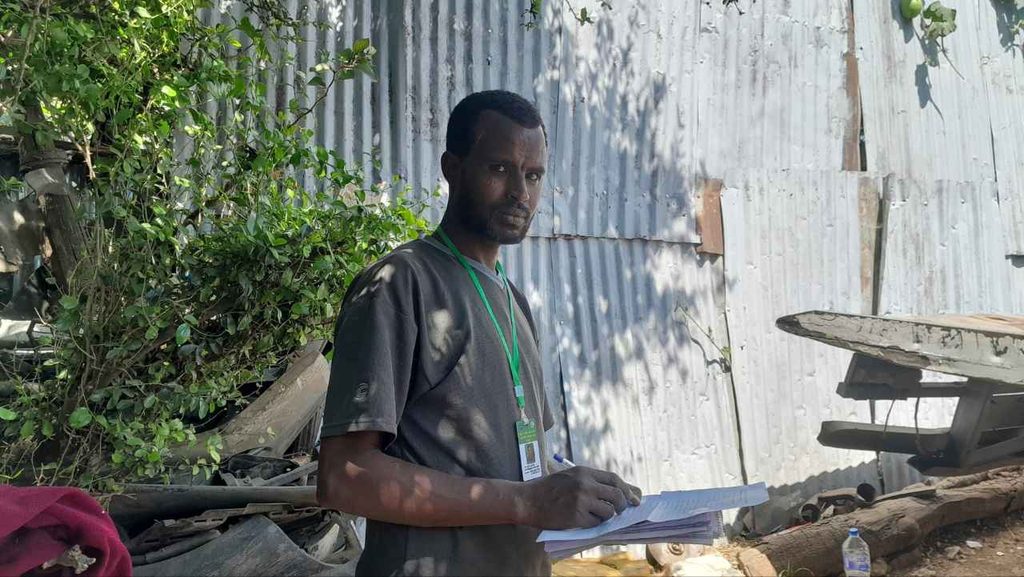
His team oversees approximately 15 battery-repair shops clustered within a 100-metre radius. Although workers are gradually becoming more aware of the risks, he acknowledges that much remains to be done to make their working environments safe.
The experience suggests that awareness campaigns can open the door to better practices, but they need to be supported by regular inspections, practical safety guidance and access to appropriate protective equipment.
There are also broader environmental concerns. According to Ashenafie, Ethiopia has limited studies documenting lead concentrations in soil inside and around used-battery repair and recycling shops. However, he added, Pure Earth, an international organisation working on lead pollution, is conducting toxic-site assessments in selected Ethiopian cities to address this setback.
Ethiopia has legal and policy instruments that can support efforts to protect workers and the environment. The Labour Proclamation No. 1156/2019, focuses on occupational safety and health provisions, environmental standards, and a technical guideline covering lead production, used lead-acid battery recycling, transportation, competency and licensing.
However, having regulations in place does not automatically guarantee protection. Their implementation, enforcement and reach to small businesses remain challenges.
Building a national public-health response
The need for stronger evidence is clear. According to Vital Strategies, estimates from the 2023 Global Burden of Disease study indicate that approximately 36% of Ethiopian children have blood lead levels above 5 micrograms per decilitre (µg/dL). This is a modelled estimate, not the result of a completed nationwide blood-testing survey.
Alongside local awareness and inspection activities, Ethiopia is developing a broader public-health response.
The Ethiopian Public Health Institute (EPHI) is working with Vital Strategies and the Ethiopian Public Health Laboratories (EPHL) to strengthen the country’s capacity to prevent and manage lead poisoning. One important component is a national baseline assessment of blood-lead exposure among vulnerable populations, including children and women of reproductive age.
The assessment is intended to identify affected populations and locations and provide evidence to guide prevention programmes and public-health interventions.
According to Kirubel Tesfaye, a senior researcher at EPHI, the study will cover 10,540 households across the country. The research, which is expected to commence in December 2026, is expected to have its findings publicised in May 2027.
Kirubel said the findings will help identify the extent of contamination and guide the planning of appropriate interventions. He further stressed that public awareness remains at its lowest and that much work is needed to inform the public, as well as health officials, about the dangers of lead.
Evidence gaps among battery-repair workers
According to Ashenafie, blood lead levels (BLLs) among used lead-acid battery (ULAB) shop workers is estimated to exceed 42 µg/dL. However, Ethiopia has not yet conducted a specific study to determine BLLs among ULAB workers.
He noted that studies have been conducted among automotive garage workers in Addis Ababa and Jimma, where BLLs reaching up to 41.9 µg/dL have been reported.
The absence of specific research on ULAB workers highlights an important evidence gap. Without reliable data on the people working directly with used batteries, it is difficult to establish the full extent of their exposure and identify the most appropriate interventions.
The effectiveness of these initiatives depends on how they are translated into action, including improved testing capacity, accessible health services, workplace inspections and stronger enforcement of existing regulations.
Turning awareness into lasting protection
For Memher Abera, learning about lead exposure was an important first step. But he says his small workshop makes it difficult to organise his work and apply safety measures properly. He has appealed to the government to provide him with a larger workspace.
His concern points to an important limitation: workers may understand the dangers but still lack the facilities and resources needed to protect themselves.
Bahiru Ahmed, who works in vehicle body repair, says he does not handle lead directly but has also participated in safety training. He says he is now more conscious of using protective equipment and maintaining personal hygiene.
He encourages other workers to take precautions, wash after work and change contaminated clothes before returning home to their families.
Their experiences show why awareness programmes need to be accompanied by practical support. Workers need safe working environments, appropriate protective equipment, access to health screening and clear information about how to prevent contamination from reaching their households. Ethiopia’s growing efforts in awareness, research, testing and regulation offer an opportunity to move beyond recognising the dangers of lead to preventing exposure. But the real measure of success will be whether these initiatives lead to safer workplaces, healthier households and fewer people exposed to this preventable public health threat.
©MESHA Features 2026