

By Asha Bekidusa | abekidusa@gmail.com
Climate interventions in Africa must recognise that access to critical resources including land, finance, technology and information remains deeply gendered, experts have said.
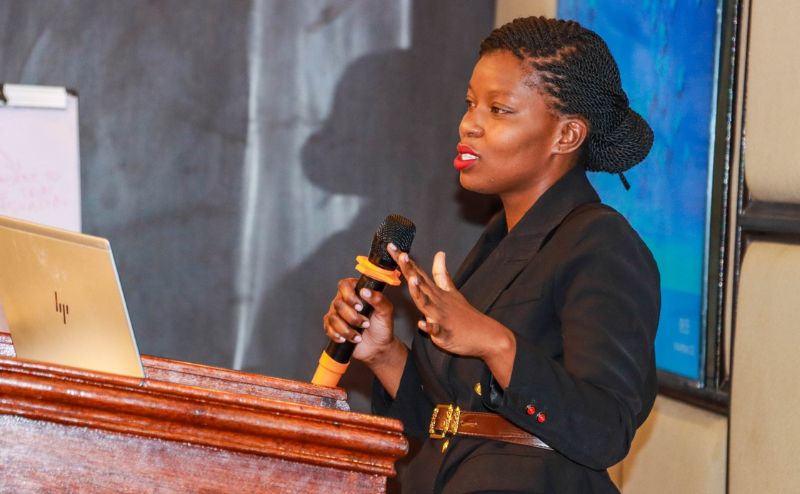
Speaking on June 19, 2026 at the inaugural MESHA Climate Change and Health Awards 2026, Gender and Social Inclusion Expert at the Alliance of Bioversity International and CIAT, Dr Eileen Nchanji, said that women are disproportionately exposed to climate variability due to their central roles in agriculture, water management and household energy provision.
She added that men also face vulnerabilities when climate change disrupts traditional livelihoods and income sources.
Dr Nchanji challenged the common perception of women as passive victims of climate change, noting that they are leading climate-smart agriculture initiatives, sustainable resource management and the use of digital tools for weather forecasting and market information.
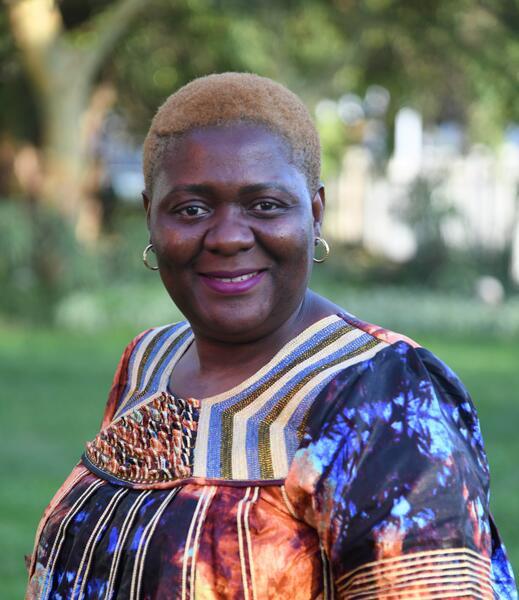
“Women are not victims. They are driving resilience and innovation through climate-smart agriculture, resource management and the adoption of digital technologies,” she said.
Echoing Dr Nchanji’s take, Audrey Masitsa of Mission inclusion, had, in an April 2026 engagement with science journalists under the MESHA Science Media banner, advised journalists to stop portraying women as victims and beneficiaries, noting that stories should focus on impact and amplifier of community voices.
“Climate stories focus on impact, disasters and not solutions. Community voices are mostly overshadowed by experts and institutions. This results in extractive storytelling,” she said in her presentation.
But Dr Nchanji also noted that women and youth-led initiatives continue to face significant barriers in accessing services.
She gave examples of how women struggle to access climate finance due to complex application processes and exclusion from decision-making spaces.
While addressing science journalists in April during another Science Media Café, Dr Rahma Adam, a researcher with WorldFish, noted that women don’t earn from main activities and are usually not at the centre of production unlike men, a fact that Lizian Onyango, Programme Officer for Shack Dwellers International Kenya, attributes to the fact that climate impacts are shaped by inequality.
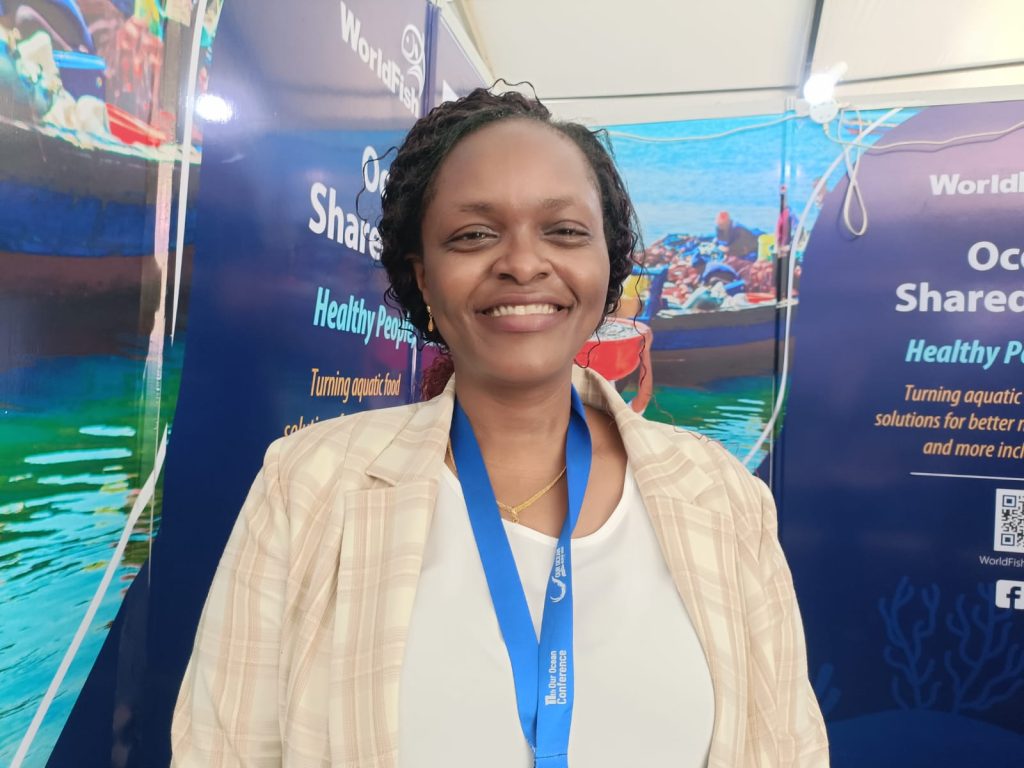
Dr Rahma gave the example of women along the shores of Lake Victoria who have been found to earn mainly from post-harvest activities which have led to them being disadvantaged economically.
“Due to the decline in catches, there is an increase in fish prices, which makes it difficult for women—who mainly earn from postharvest activities—to purchase fish from the fishermen,” she told journalists in the April edition of the Science Media Café by MESHA.
But she explained that practical solutions would help women adapt to climate change effects, cushioning them from major losses.
In Kenya, organisations are already taking the lead to provide these interventions.
Such include World Fish, in collaboration with CGIAR who have partnered to provide women with gender inclusive post-harvest technology accessing, fish smoking kilns, solar freezers and fish display boxes.
Dr Nchanji further highlighted that gender gaps in mobile phone ownership and digital literacy limit women’s access to climate advisory services delivered through digital platforms.
Climate-related crises, she added, often increase gender-based violence, especially during displacement and resource scarcity. She vouched for increase in participation of women and youth in adaptation committees and policy processes to remain critical in order to achieve inclusive and effective climate action.
“Journalists should ensure that gender equality is fundamentally integrated into climate reporting,” she urged.
She pointed to several regional and continental initiatives that journalists should track when reporting on climate and gender issues. These include the Accelerating Impacts of CGIAR Climate Research for Africa’s gender-responsive climate services and capacity-building initiatives, where women gained greater access to climate information, increased confidence in decision-making and stronger participation in climate-smart agriculture.
She also cited the Southern African Development Community (SADC) Protocol on Gender and Development, Article 31, which provides benchmarks for legally binding gender-sensitive climate measures. Other important frameworks include the East African Community (EAC) PREPARED Programme and Intra-ACP GCCA+ initiative, which assess whether community projects genuinely place women’s leadership at the centre of climate action.
The Media Science Café, called primarily to award excellence in gender and climate change reporting was held amidst the background of discussions which are now gathering momentum ahead of COP31 in Antalya Turkey.
Dr Nchanji encouraged journalists to closely follow the proceedings to make sure they report on issues of funding mechanism, social justice so that meaningful participation can place women in climate decision making bodies.
Giving an example of the impact of climate-smart agriculture, she shared the success story of the Ushirikiano Women Group in Nakuru county, where the group successfully transitioned from subsistence farming into a thriving commercial enterprise after adopting the drought-tolerant ‘Waithera’ bean variety. The improved crop remained productive even during severe drought conditions, significantly increasing yields and incomes.
“Their journey demonstrates how climate-smart agriculture, coupled with entrepreneurship, can empower women to build lasting resilience in the face of climate change,” she added.
Dr Nchanji encouraged journalists to go beyond covering launch events and announcements by following climate initiatives over multiple seasons to assess their long-term impact on women’s livelihoods and community resilience.
She also urged media practitioners to use localized communication channels such as community radio stations and town hall forums to ensure climate information reaches rural women and marginalized communities.
“Journalists should connect local stories to broader economic, health, and global policy conversations, helping audiences understand how community experiences relate to international climate frameworks,” she said.
At the same time Secretary for Information and Broadcasting, Mr Temesi Mukani called on journalists to mainstream the intersection of gender, climate change, and health in their reporting.
Mukani noted that media coverage should highlight how environmental and public health challenges affect men and women differently while showcasing the important role women play in strengthening community resilience.
Additional reporting by Cece Siago | siagocece@gmail.com
©MESHA Features 2026