

By Asha Bekidusa | abekidusa@gmail.com
Women across coastal parts of Africa are stepping up as leaders in adaptation, ecosystems restoration and building sustainable businesses as climate change deepens inequality, threatens livelihoods, and increases health risks.
According to Audrey Masitsa, Regional Communication and Advocacy Coordinator Mission Inclusion, women are not only among the most affected by climate change but also among the most effective drivers of local solutions.
Through its Regenerative Seascapes for People, Climate, and Nature (ReSea) project, implemented in Kenya, Tanzania, Mozambique, Comoros, and Madagascar with support from Global Affairs Canada, the organization is helping coastal communities strengthen resilience while placing women at the centre of climate action.
“We’ve found that women are at the centre of these issues on climate change and environmental degradation, and they are impacted very differently from men,” said Masitsa. “But they also have the knowledge, skills, and ideas needed to address these challenges.”
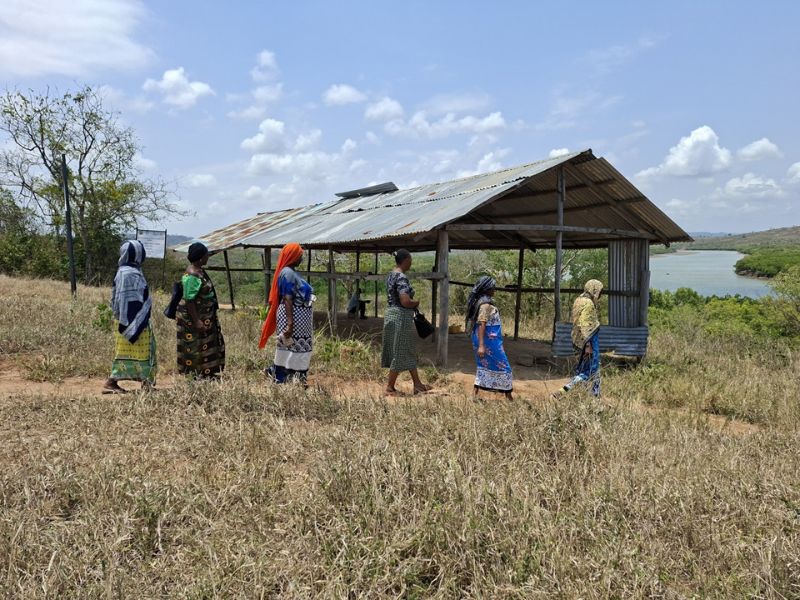
She was speaking during a webinar on Cross Border Science Café convened by MESHA, themed: Reflections on climate change, gender, health and impactful stories. In Kenya’s coastal communities, women’s groups are restoring mangrove forests, which act as natural barriers against coastal erosion, protect fisheries, and absorb carbon emissions.
However, their role goes far beyond planting trees. Women are managing mangrove nurseries, selling seedlings, and participating in decision-making bodies that govern marine resources.
Some groups have developed innovative businesses linked to conservation, including mangrove beekeeping.
By producing and selling honey harvested from mangrove ecosystems, women are generating income while protecting fragile coastal environments.
Masitsa added: “We are seeing women leading in mangrove governance, managing businesses, and shaping decisions that affect their environment and their livelihoods.”
Climate change has made these efforts urgent. Rising sea levels, prolonged droughts, unpredictable rainfall, and declining fish stocks are placing enormous strain on coastal communities.
Women, who are often responsible for securing food, water, and fuel for their families, face heavier workloads and economic uncertainty.
“With climate change, women have to travel longer distances to find firewood and food,” Imali Ngusale, the Strategic Technical Lead, African Centre for Health, Climate and Gender Justice Alliance (ACHCGA) explained.
“They have to work harder to sustain their families, and this increases their vulnerability to poverty and other social risks.”
Beyond economic pressures, climate change is also worsening gender inequality and health risks.
Experts note that climate impacts can disrupt access to maternal healthcare, particularly in rural areas where damaged roads and overwhelmed health facilities make it harder for pregnant women to receive timely care. “Climate change is not just an environmental issue, it is also a social and health issue,” Ngusale said. “Women face disproportionate impacts because of their roles in society, but they are often excluded from decision-making spaces.”
The speakers stressed that climate change is not the same as short-term weather variability. Unlike temporary climate shocks, climate change involves long-term, irreversible shifts that reshape livelihoods, ecosystems, and economies.
In Africa, where structural challenges such as poverty and limited infrastructure already exist, climate change is intensifying existing inequalities.
For Mission Inclusion including women through leadership training, business support, and participation in marine governance is a way to building resilience. Women involved in the project are now serving on beach management committees, influencing conservation policies, and contributing to local economic growth.
“For us, people must be at the center of climate action,” Masitsa said. “When women are included in leadership and decision-making, the solutions are stronger, more sustainable, and more effective.” These local efforts offer important lessons for global climate policy. By investing in community-led, gender-responsive solutions, governments and development partners can address both environmental and social challenges.