

By Christine Ochogo | christawine@yahoo.com
Communication gaps remain a major challenge in reporting climate change in Africa despite its immense effects on the continent.
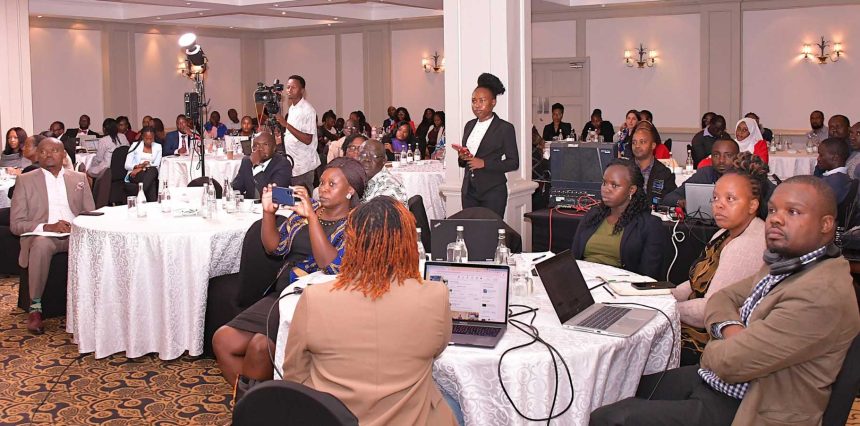
This is according to preliminary research findings released yesterday on climate change reporting by the Media for Environment, Science, Health and Agriculture (MESHA) under the Action Research on Enhancing Climate Change Communication in Africa (ARECCCA) project.
Dr Osir Otteng, lecturer at Maseno University and the lead researcher under the ARECCCA project, cited that the media who are the environmental guide-dogs plays an important role of translating complex science for the public.
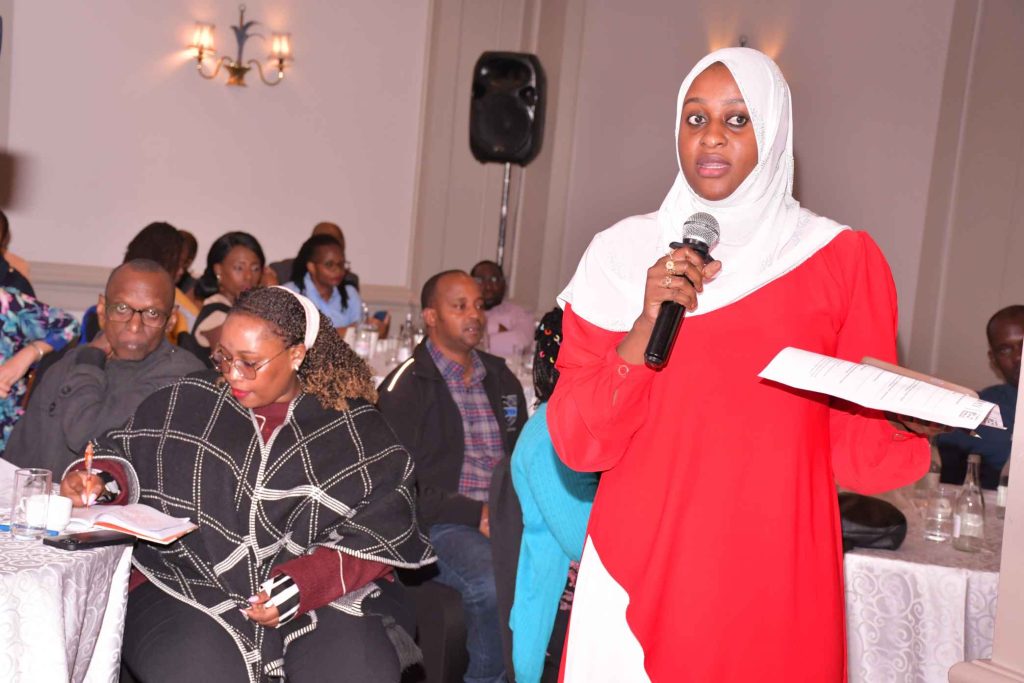
The report cited lack of incorporation of indigenous knowledge in telling climate stories, In Tanzania, Kiswahili is highlighted as a barrier especially in community-based stations.
In Kenya, Kiswahili is less developed leading to translation challenges in newsrooms thus limiting the reach of stories to wider communities. In Malawi, community documentation is primarily in English and lack of translation to local languages hinders reception of climate information transfer to local communities.
The findings further reveal that while awareness of climate change has increased, reporting remains largely event-driven, African perspectives and local solutions are underrepresented and climate information often lacks contextual depth and inclusivity, particularly regarding gender, vulnerability and inter-sectionality.
Feedback from journalists and the community in the research process, suggested that conferences are beneficial but often overlook voices of disadvantaged groups like women and people with disabilities, who hardly attend them.
“These groups of people are likely not to attend conferences, leaving their perspectives underrepresented and therefore it is important to reaching a wide community through other media,” noted Dr Osir.
It mentioned that journalists often work under tight deadlines and may lack in-depth scientific training, while scientists, who primarily prioritise academic publishing are often concerned about being misrepresented by the media.
The findings also show that policymakers frequently view journalists as adversaries, while scientists and policymakers are often at loggerheads over policy decisions, creating further communication gaps as they work in silos.
These challenges have resulted in weak collaboration among journalists, scientists, and policymakers, leading to low climate literacy, limited resources and restricted access to scientific expertise and policy documents thus hindering effective climate action across the region.
“In ensuring accurate and quality climate reporting, collaboration among scientists and journalists, policy makers, climate advocates and communities are crucial,” read part of the report.
Recognizing that these communication gaps are not limited to climate reporting alone, the Media for Environment, Science, Health and Agriculture (MESHA) has begun translating these lessons into action across other sectors.
On June 24, 2026, MESHA convened a meeting with a section of the Kenya National Assembly Health Committee to explore ways of addressing persistent health communication gaps.
The discussions focused on building partnerships that would strengthen evidence-based reporting while positioning policymakers as key sources of accurate and timely health information. During this meeting, the legislators present decried inadequate lack of effective communication of sciences between the health committee and the general public.
On March 31, 2026, MESHA in collaboration with Speak Up Africa held a press engagement session with scientists and policy advocate under African voices of Science (AVoS) to deliberate on the importance of funding Research and Development and the importance of communication to debunk misinformation.
These engagements gave journalists and scientists and policy makers a platform to share challenges and come up with way forward to help scientist communicate better to members of the public on their research work and be able to reposition African voices in science for improved health systems for all.
“These meetings are very important as we connect science journalists with experts and the community to get insights. It helps to build a rapport that help the communicator get real gist of climate and other science-based stories,” MESHA Chief Executive Officer, Aghan Daniel stated.
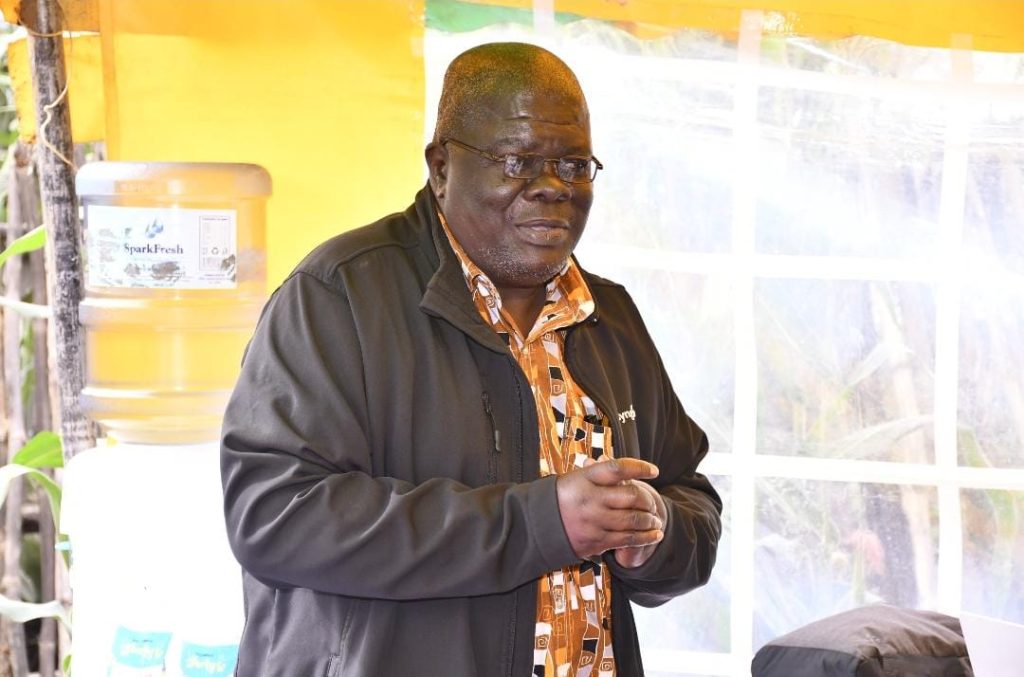
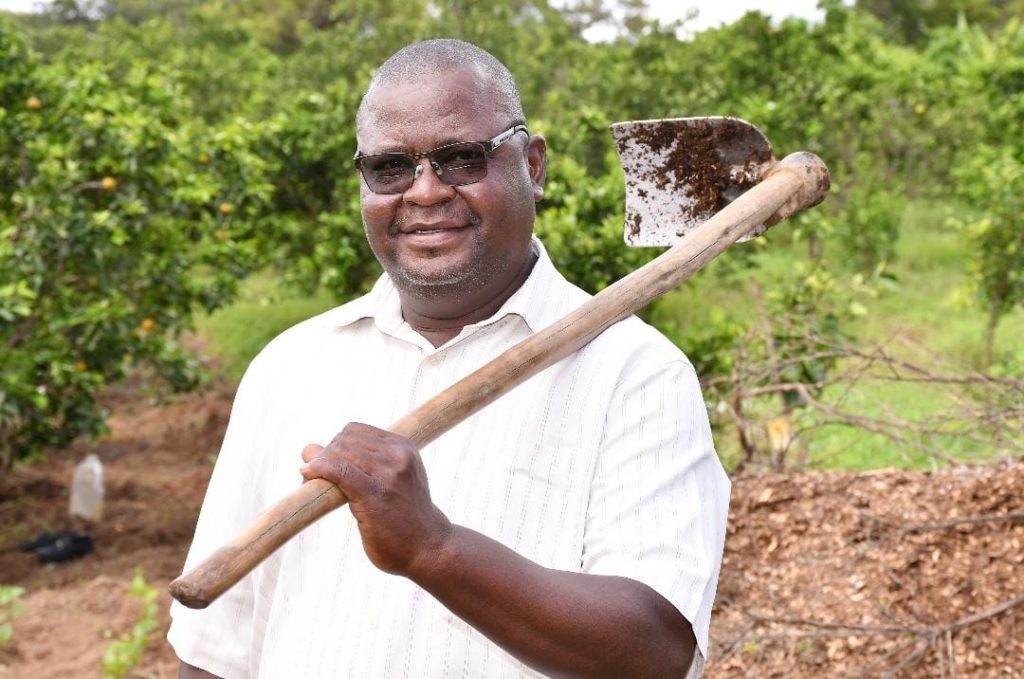
“By interacting with the members of the community and hearing, we get to understand the reals issues of climate. You understand climate change and its effects first hand from the people most affected and how they are in making positive change in the community. This is more enriching,” said Isack Dickson, an ARECCCA fellow from Tanzania.
Speaking during the release of the research finding held online, Aghan emphasised the importance of in-depth journalism over speed to publish. He urged journalists to help bridge the gap and the communities who face vagaries of climate change.
“It is not a matter of how fast somebody files and submit a story particularly one that requires in-depth indulgence, it is a matter of how deep one goes in doing a good climate story,” he stressed and added.
“Journalists should invest their time in doing in-depth climate change stories bearing in mind that they serve communities who are yearning for detailed information on climate change information to spur economic growth.”
©MESHA Features 2026