

By Sharon Atieno| sharon@meshascience.org
Climate change should be understood from people’s lived experiences and their involvement should be key in designing climate solutions.
These sentiments were made by Members of Parliament who were addressing journalists aligned to the Media for Environment, Science, Health and Agriculture (MESHA) during a virtual legislators science café organised by the association.
The journalists are enrolled as Media Fellows under the Action Research to enhance Effective Coverage of Climate Change issues in Africa (ARECCCA) project.
ARECCCA is a three-year project supported by the Canadian International Development Research Centre (IDRC) to enhance coverage of climate change and gender issues in eastern and southern Africa.
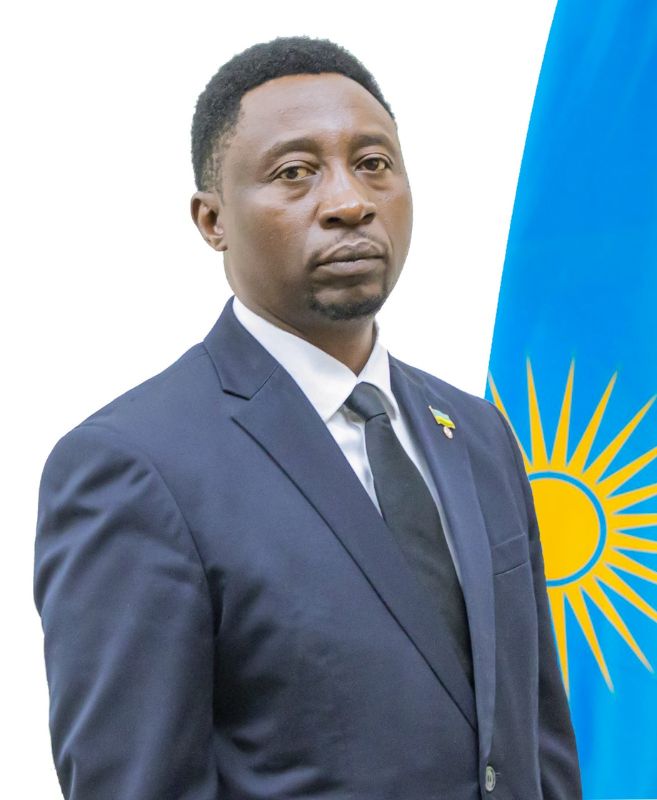
According to Senator (Dr.) Frank Habineza, President of the Democratic Green Party of Rwanda, environmental sustainability cannot be achieved by the government alone. It requires leadership at all levels and active citizen participation.
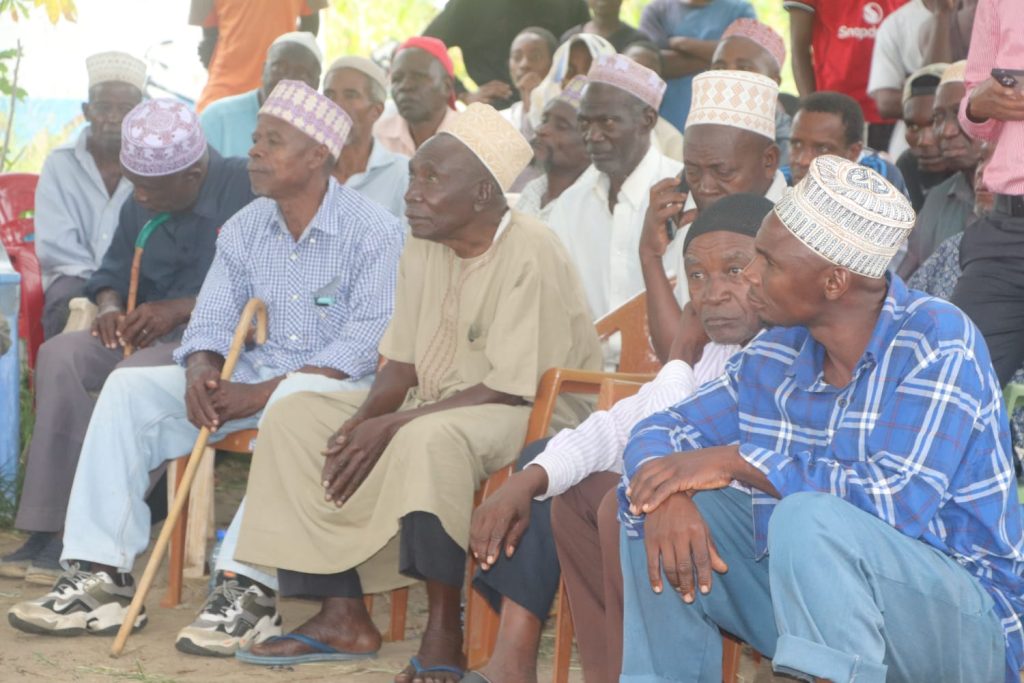
Drawing from his experience, Dr. Habineza noted that some of the most effective climate initiatives are those that involve communities directly. Anti-erosion measures, for example, become sustainable when local communities take ownership of protecting rivers, wetlands and hillsides.
“As policymakers, we must ensure that climate policies remain people-centred. Communities must not only be beneficiaries of climate action; they must be active participants in designing and implementing solutions,” he said.
Dr. Habineza called for the need to give particular attention to vulnerable populations like youths and women by linking climate action to job creation, food security, public health, innovation and poverty reduction.
He told journalists to help citizens understand how climate change affects their daily lives-from food prices and water availability to health outcomes and employment opportunities.
“Climate journalism should inspire action rather than fear. By highlighting practical solutions and positive examples, journalists can empower communities and decision makers to take meaningful action,” Dr. Habineza said.
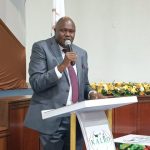
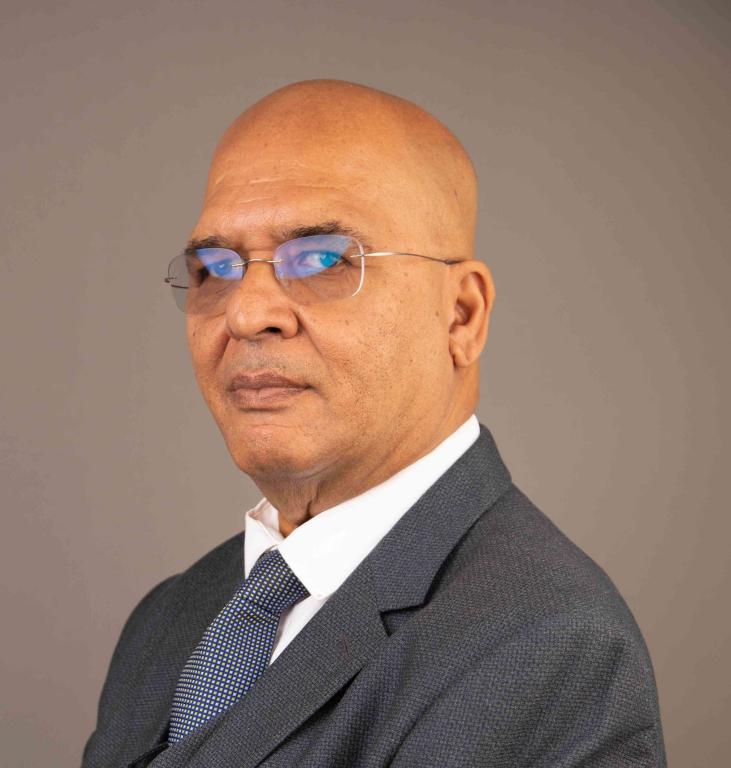
On his part, Hon. Shakeel Shabir, MP Kisumu East Constituency, underscored the importance of translating climate change concepts into a language that ordinary community members can understand.
“Even the most uninformed people in the interior areas of my constituency know about climate change. They may not use the technical language, but they know that their harvest time has changed and that other things in their lives have been affected,” he said.
Hon. Shabir highlighted specific local issues in his constituency around the Lake Victoria region, including declining fish stocks, water pollution, livestock diseases, and health problems like dysentery, framing these as the real face of climate change for his constituents.
He stressed that parliamentarians and the media share the responsibility of translating complex climate policies and conferences like United Nations Conference of Parties (COPs) into relatable terms for communities, adding that community engagement should happen at the grassroots level, under trees, not in hotels.
COP stands for Conference of the Parties. It is the supreme decision-making body of the UN Framework Convention on Climate Change (UNFCCC), established to stabilize global greenhouse gas emissions
Additionally, Hon. Shabir stressed the need for youth engagement in climate action, noting that they need to be properly financed to be able to support their families while remaining active in achieving the course.
Hon. Maurice Kakai, MP Kiminini Constituency, noted that climate action and funding should be decentralized and reach the grassroots level, rather than remaining at the national government level.
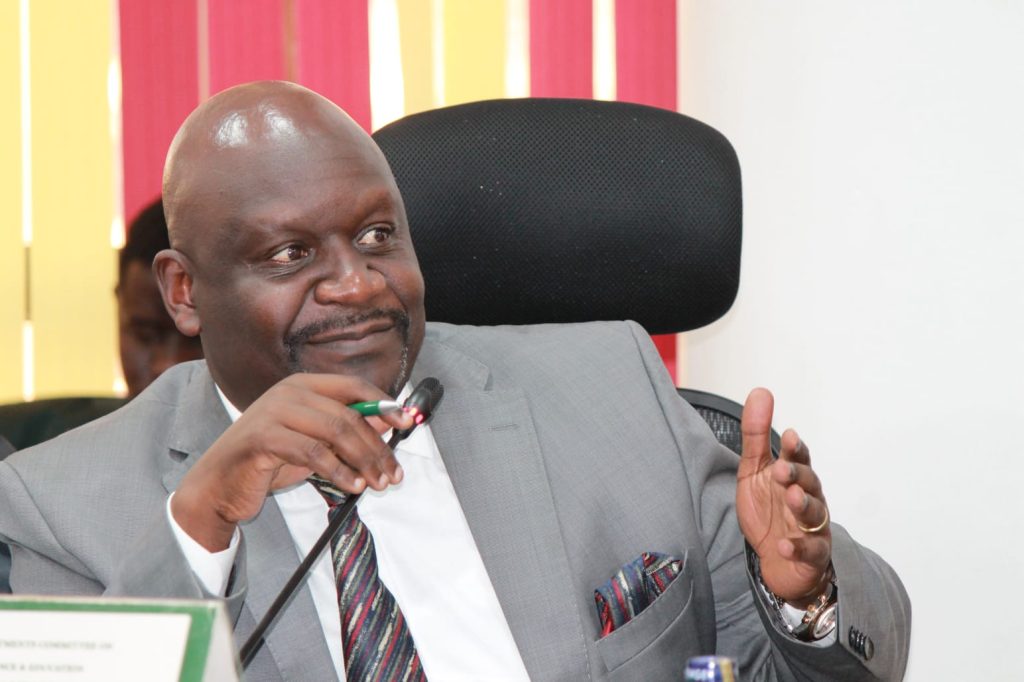
Referring to the Kenyan context, he emphasized the importance of working through county governments and cooperative structures to ensure that climate change initiatives and funding actually benefit vulnerable populations such as farmers and entire communities directly.
©MESHA Features 2026