


By Abdullahi Jimoh, The Xylom
As locals trade in dead bats, researchers remain concerned about potential transmission risks
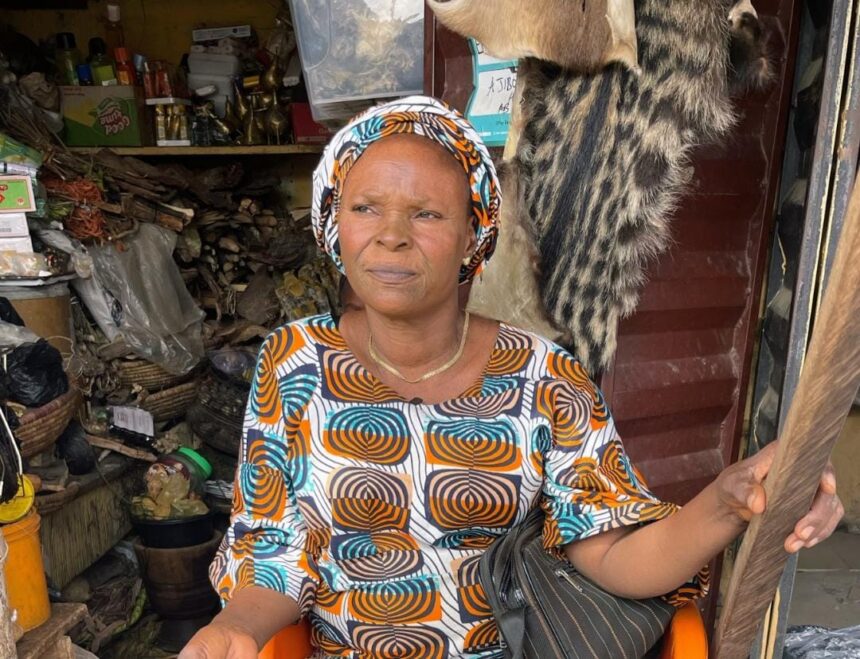
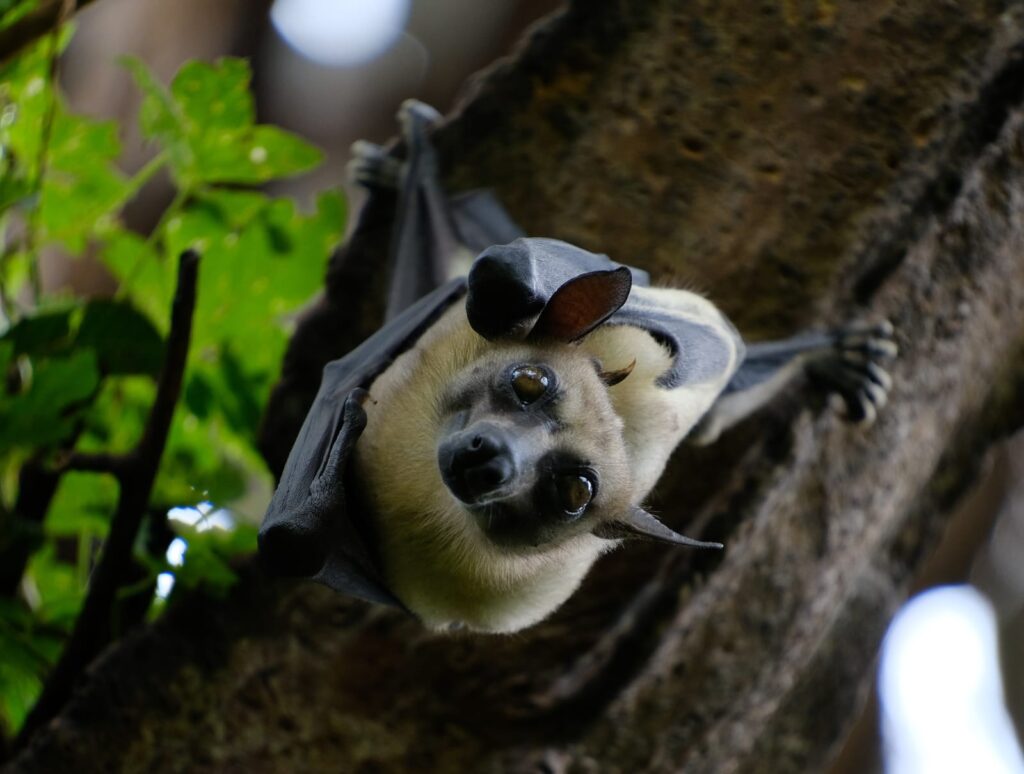
ILORIN, Nigeria — Near the Emir Palace in Nigeria’s Oja-Oba market, a powerful thunderstorm toppled a large strangler fig tree in early July. The tree had long been home to a colony of straw-coloured fruit bats, many of which were injured in the fall. Two children, aged 9 and 12, saw a business opportunity. The bats soon ended up at the roadside stall of a Yoruba traditional medicine ingredient trader who prefers to be called “Iya Kabirat.”
For 50 years, she has sold assorted barks, herbs, animal carcasses, skins, and other materials used by herbalists for spiritual healing. She buys each bat from the children for 500 naira ($0.36), and sells it to customers for 700 naira ($0.50).
“I was born in this business,” says Kabirat. “Many herbalists regularly come here to buy them. Traditional healers use their flesh to prepare concoctions for women battling infertility.” This reporter visited three such shops where bats were being sold to treat various ailments.
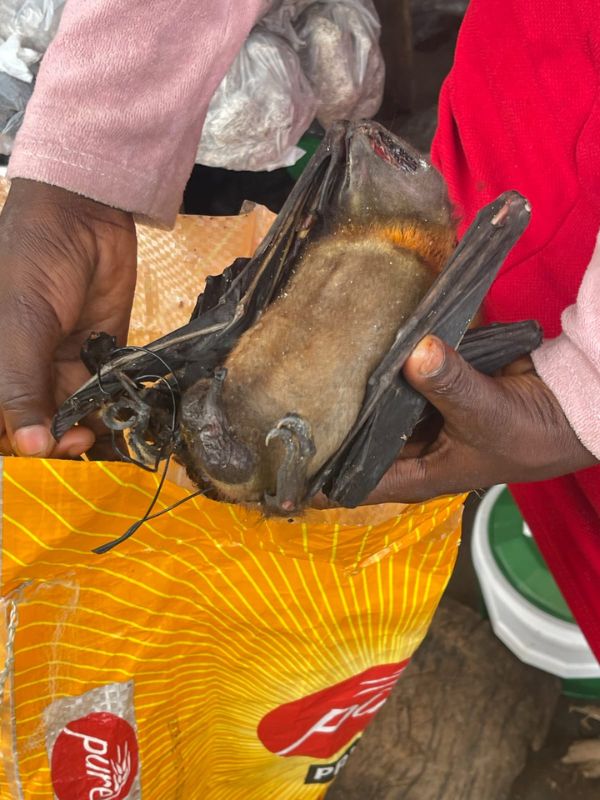
Across western Nigeria, bats are incorporated into traditional medicine for spiritual healing. The recipes entail charring their flesh and grinding it into a fine powder. The country is home to roughly 100 bat species, making up one-third of the 266 species found in sub-Saharan Africa. But these statistics are lost on locals who depend on bats for their meat.
In neighbouring urban hubs such as Lagos, Calabar and Port Harcourt, bats are considered a delicacy and are sold openly by bushmeat vendors. In Ilorin, however, they are sought-after ingredients in traditional medicine. Often reservoirs for severe infectious diseases, bats can transmit pathogens to humans, raising concerns among researchers about the potential for zoonotic disease transmission.
A 2023 study examined 304 straw-coloured fruit bats (Eidolon helvum) captured for human consumption in Makurdi, Nigeria. Researchers found antibodies indicating exposure to henipavirus lineage GH-M74a, Nipah virus, and bat influenza H17N10. The researchers said the findings pointed to a potential risk of zoonotic spillover associated with the hunting and consumption of bats.
Hunted
Reports estimate that nearly 20% of sub-Saharan bat species are hunted for food and medicine. While bats may provide nutritional benefits, researchers say the health risks can outweigh them. Bat meat contains protein and essential nutrients such as iron and B vitamins, says Uju Onuorah, a registered dietitian-nutritionist and research associate at Nutrition Drive for Healthy Diet Initiative. “[But, they] are also known reservoirs for several viruses and pathogens that can be transmitted to humans, particularly during hunting, slaughtering, and preparation.”
Limited knowledge of zoonotic diseases among hunters, traders, and consumers can increase the risk of transmission. A 2025 study found that people across the value chain often lacked personal protective equipment and practiced poor hand hygiene, further increasing their exposure risk.
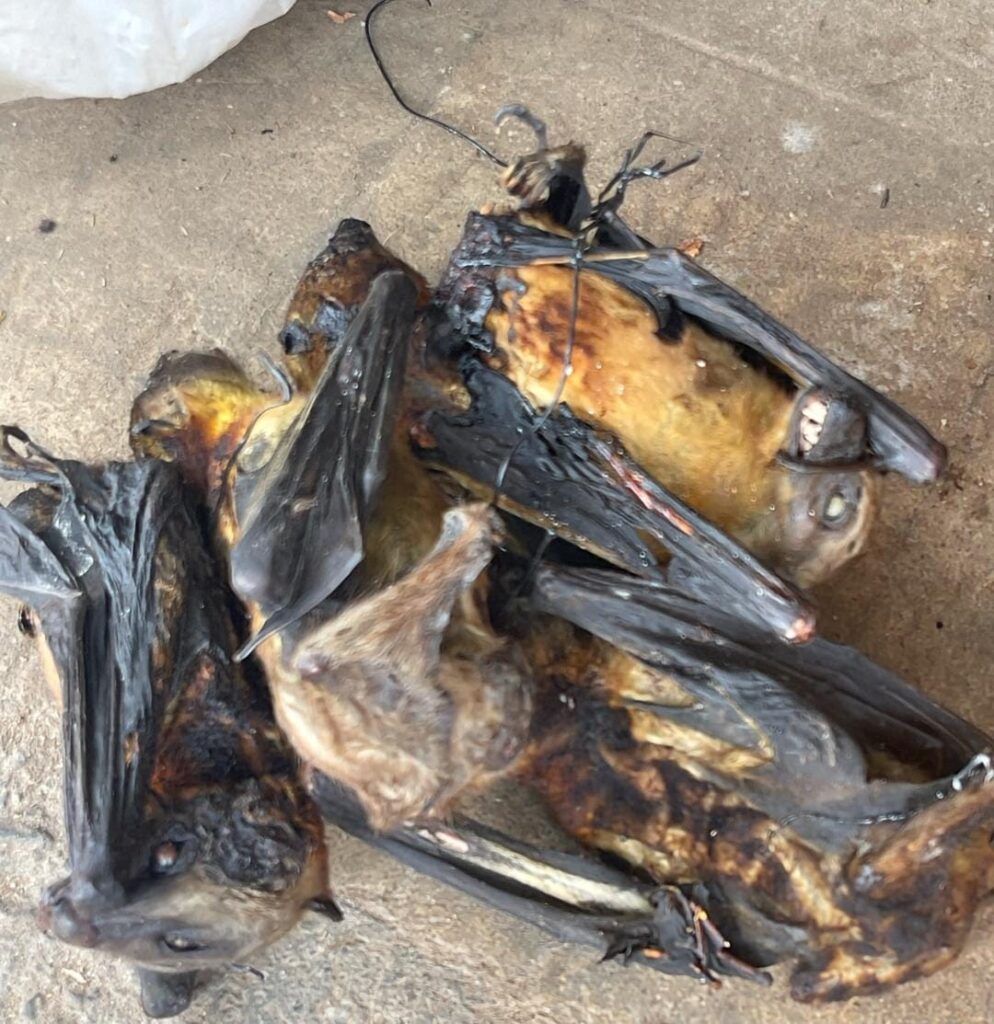
Onuorah attests to this. While cooking bat meat thoroughly can reduce the risk of foodborne pathogens, it does not eliminate exposure risks during hunting, handling, and preparation, she says. “Public health experts generally discourage the hunting and consumption of bats, especially in areas where zoonotic diseases are a concern,” she adds.
Like many others in Oyo, Oyelami Opeyemi, 35, hunted birds and bats as a child. A catapult hobbyist, he would use a stone and the elastic band of his Y-shaped wooden weapon to shoot bats.
Opeyemi still eats bats and describes their flavour as “sweet.” “We used to hunt them in the morning or at night,” he says, adding that he and other bat hunters were unaware of the disease risks because none of them had fallen ill or contracted a disease.
When the Law of the Land Falls Short
Bats are among the world’s most misunderstood nocturnal mammals. They navigate in darkness using echolocation, producing high-pitched sounds that bounce off objects and help them locate their prey. These mammals play a vital role in the country’s biodiversity, providing key ecosystem services such as pollination, seed dispersal and insect control. Their role is indispensable for agriculture.
“Nigeria is one of Africa’s most important countries for bat conservation,” says Olajumoke Morenikeji, a parasitology professor at the University of Ibadan. The country’s bat diversity is reflected in the work of ecologist Iroro Tanshi, whose search through cave networks led to the rediscovery of a short-tailed roundleaf bat, a species that had not been spotted in the wild for more than three decades. Earlier this year, Tanshi was awarded the Goldman Prize for her conservation work.
Fruit bats face threats ranging from hunting for bushmeat and traditional medicine to habitat loss caused by deforestation, urban development and mining.
“Even the bushfires from unprotected forests, negative cultural beliefs, and misconceptions that portray bats as evil make people immediately kill one [on sight],” Morenikeji says.
Last October, the Nigerian Senate passed the Endangered Species Conservation and Protection Bill, 2024, aimed at curbing wildlife trafficking and protecting wildlife. The bill, which replaces the country’s outdated 1985 wildlife legislation, awaits presidential assent. If signed into law, it would introduce fines of up to 12 million naira ($8,200) and prison terms of up to 10 years for wildlife traffickers. The bill does not specifically mention bats or provide species-specific protection for them, even when conservation groups such as Wild Africa have specifically advocated for the bill to strengthen protection for Nigerian bats.
Last year, several Nigerian bat species were assessed under the IUCN Red List, including species classified as threatened. Morenikeji says bats currently lack species-specific protection under Nigerian law, although broader wildlife and environmental legislation and international rules offer some safeguards.
However, Nigeria’s current Endangered Species (Control of International Trade and Traffic) (Amendment) Act, 2016 does not list bats among species prohibited from being traded or killed for consumption.
But for people like Iya Kabirat who have consumed bat medicine, the risk appears to be hearsay. “People have warned that one can contract Ebola virus and other diseases from eating them,” she says, adding that she has never encountered any such instance.
The growing demand is incentive enough for traders such as her to keep their business afloat.
“Herbalists keep buying them,” she said. As long as they believe the concoctions work effectively, they will continue looking for them, she adds.
©MESHA Features 2026
This article was produced by The Xylom, nonprofit news outlet covering global health and environmental disparities, and co-published by Sayansi Magazine.