


By Mr Guy Liabra
In November, delegates will gather in Geneva for the First International Conference of the Global Framework on Chemicals.
Among the topics on the agenda will be Target A7: the 2023 commitment to phase out Highly Hazardous Pesticides (HHPs) by 2035, wherever risks are not effectively managed and safer, affordable alternatives exist.
CropLife Africa Middle East (CLAME), representing the region’s plant science industry across 23 national associations, welcomes this target and the opportunity Geneva offers to take stock of progress together with governments, regulators and civil society.
Our contribution to that conversation is a simple one: Target A7, still in the early years of a twelve-year timeline, is already delivering results where it is being implemented as agreed, and we believe the most constructive path forward is to reinforce that implementation.
Pest management is central to food security across our region. Across Africa and the Middle East, farmer livelihoods and rural economies depend on functioning crop protection systems based on locally assessed risks and science-based decision-making. At CropLife AME, we see value in a framework that is risk-based rather than binary: one that distinguishes between uses where risk is effectively managed and uses where it is not, and that phases out the latter as safer, affordable alternatives become genuinely available.
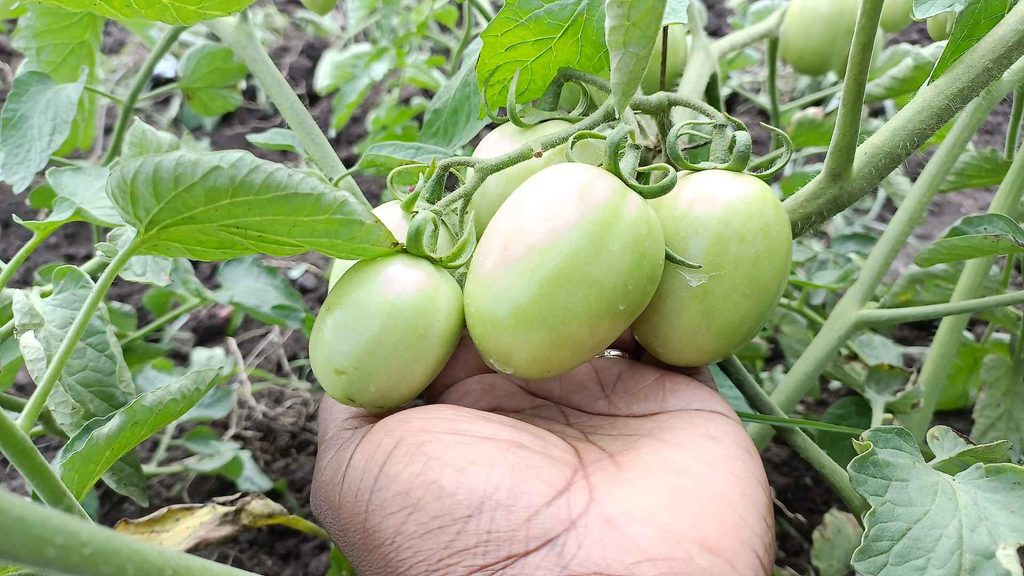
This is what makes Target A7, in our view, a well-designed and workable framework. It is risk-based, not a blanket ban. It applies where risks are not effectively managed and where safer, affordable alternatives exist in practice, not only in principle. It calls for transition pathways rather than immediate withdrawal, and it distributes responsibility across regulators, industry, farmers and researchers rather than placing it on regulation alone. Approached this way, Target A7 offers protection on several fronts at once.
For farmers, who are already managing HHPs responsibly, for the productivity, that depends on having viable tools in place before older ones are withdrawn, and for smallholders, who are most exposed to the price pressures and counterfeit risks that can follow when alternatives are not yet affordable or accessible.
The evidence available to us reinforces this reading. A review of pesticide exposure across the Eastern Mediterranean region points that the public health burden associated with HHPs is real and preventable, and the most durable response lies in stronger governance, surveillance and training rather than in measures that risk pushing farmers toward unregulated substitutes.
In addition, it is important to note that the industry is not sitting and waiting. Below examples suggest that the direction Target A7 sets is not only sound in principle but achievable, and increasingly demonstrated, in practice. Indeed, through structured stewardship programmes, our members provide training for farmers, distributors and spray service providers on safe and responsible product use and support the professionalisation of Spray Service Providers as a model for safer application across the region.
We are expanding access to biological products and advocating for regulatory frameworks that make it easier, not harder, to bring these low-risk innovations to market. We partner with poison centres to strengthen surveillance, reporting and response capacity for pesticide-related incidents, we train on the importance of using Personal Protective Equipment, and we support closed-loop schemes for the safe management of empty pesticide containers.
Taken together, these are the practical building blocks of a responsible transition. In addition, our Sustainable Pesticide Management Framework, launched in the region in Kenya, Morocco and Egypt, is helping translate risk-based principles into reduced reliance on HHPs, wider adoption of innovations, and safer, more responsible use in practice.
As governments, industry and civil society prepare for Geneva, CropLife Africa Middle East respectfully offers the following recommendations:
- Maintain Target A7 as originally adopted: Encourage delegates to uphold its risk-based framework, which distinguishes between managed and unmanaged risks and recognises the importance of available and affordable alternatives before a phase-out is considered, while avoiding broad reinterpretations that could effectively lead to blanket bans.
- Consider formal representation of Ministries of Agriculture alongside environment and health counterparts, including through cross-committee coordination, to ensure decisions on HHPs reflect health, agronomic, food safety and trade insights.
- We encourage countries to ensure their regulatory frameworks enable access to alternative solutions suited to local conditions before phasing out a product, so that farmers have effective, affordable and practical tools available to meet their crop protection needs.
- Build on models that are already working: We encourage stakeholders to draw on the experience of Kenya, Ghana and South Africa’s risk-based regulatory systems as well as the Sustainable Pesticide Management Framework programmes in Kenya, Morocco and Egypt.
Target A7 was designed as a working framework for getting HHP management right, for people, for farmers and for the environment. We look forward to Geneva as an opportunity to reinforce that framework and to continue building on the progress already under way across our region.
The author is the Director Regulatory Affairs at CropLife Africa Middle East