


By Jane M. Mwanza | mezamwanza.meza@gmail.com
As the world concluded the observance of World Antimicrobial Resistance Awareness Week (WAAW), held from November 18 24, 2025, the Kenya Medical and Research Institute (KEMRI) reaffirmed its leadership in advancing research that safeguards the health of communities.
In line with this year’s theme, “Act Now: Protect Our Present, Secure Our Future,” the Institute highlighted the urgent, immediate threat posed by antimicrobial resistance (AMR) across Africa. This threat is a “double jeopardy” a dangerous convergence where the planet’s changing climate and deep-seated gender inequities are actively accelerating the spread of drug-resistant infections.
Kenya, is among the African countries facing the highest levels of antibiotic resistance. As such, “One Health” an approach that connects human, animal, and environmental well-being is crucial. The findings, presented at a recent science forum in Nairobi involving KEMRI and its collaborators, highlight how drug-resistant infections are hitting the most vulnerable populations hardest, particularly newborns and women.
This necessitates research into interventions that incorporate a climate change lens into AMR policy.
The gendered epidemic
A hybrid discussion held in Nairobi, Kenya’s capital, on reporting AMR among leading African researchers made it devastatingly clear that AMR is not gender-neutral.
Sociocultural roles and biological factors mean that women and girls bear a disproportionate and often mortal burden of drug-resistant infections.
Prof. Sinead Delany Moretlwe of the University of the Witwatersrand, a key collaborator in African health trials, zeroed in on the rising AMR threat to gonorrhea, noting that women are at increased risk due to specific reproductive health vulnerabilities.
Prof. Moretlwe cautioned that the traditional, highly effective treatment, Ceftriaxone, is failing.
This warning is underscored by recent Kenyan surveillance data showing that older antibiotics are failing with resistance rates to penicillin, ciprofloxacin, and tetracycline often exceed 75% and, critically, isolates are beginning to show 0.9% resistance and 2.7% intermediate resistance to the last-line treatment, ceftriaxone.
‘’Biologically, women and girls are at high risk due to specific reproductive vulnerabilities traditional, highly effective treatment, Ceftriaxone, is failing.
Untreated or partially treated drug-resistant gonorrhea can lead to severe and long term reproductive health consequences for women, including Pelvic Inflammatory Disease (PID), chronic pelvic pain, infertility, and devastating pregnancy outcomes.
Furthermore, women are at a higher risk of being silent carriers, unknowingly spreading resistant strains,” she said.For newborns, the situation is even more precarious.
Dr. Christina Obiero, a Research Scientist and Principal Investigator in the NeoSep1 Trial at KEMRI-Wellcome Trust, is spearheading the vital effort to tackle drug resistant infections in infants.
These infections pose a mortal threat to newborns, who are already the most medically fragile members of the community.
When first-line antibiotics fail, the infants require highly specialized hospital care and expensive last-resort drugs, demanding immediate and rigorous hospital antibiotic stewardship programs a challenge in under resourced settings.
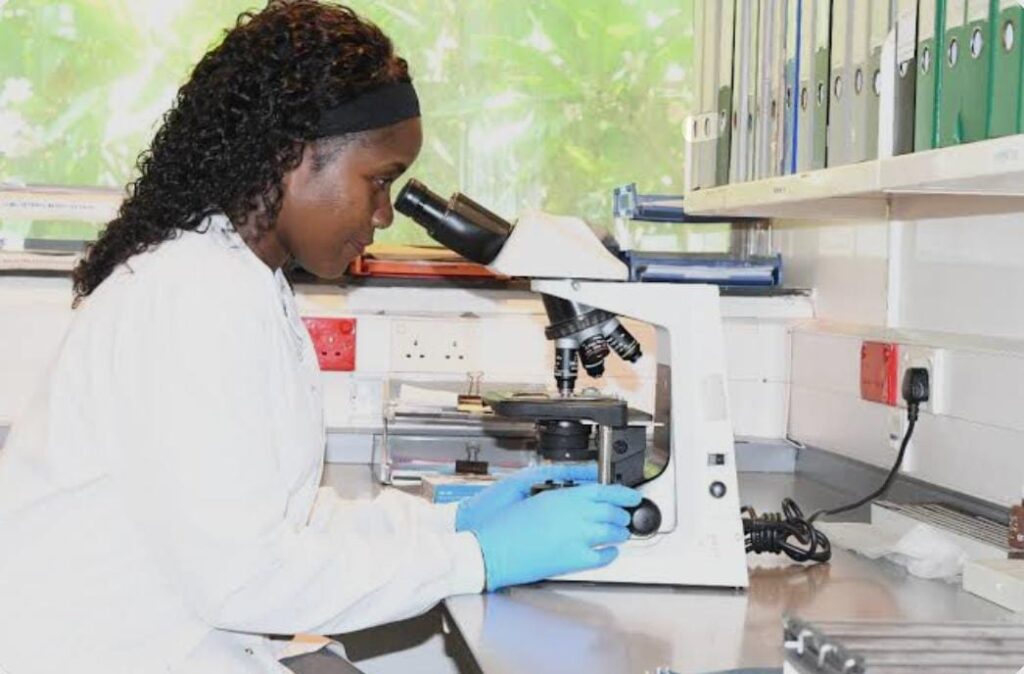
‘’Beyond the biological, the social determinants of health amplify the crisis for women. They are the primary caregivers, meaning they are the ones administering partial, often counterfeit, doses of antibiotics bought from informal vendors to stretch household budgets.They manage the domestic environment, exposing them most directly to contaminated water and waste, which act as reservoirs for resistance genes. AMR is thus fueled by both biology and economic powerlessness,’’ state Dr. Obiero.
According to Prof. Moretlwe, beyond the biological, the social determinants of health amplify the crisis for women they are the primary caregivers, meaning they are the ones administering partial, often counterfeit, doses of antibiotics bought from informal vendors to stretch household budgets.
They manage the domestic environment, exposing them most directly to contaminated water and waste, which act as reservoirs for resistance genes. AMR is thus fueled by both biology and economic powerlessness, she noted.
The climate connection
While the research is highly focused on clinical outcomes, the scientists underscored that climate change provides the perfect incubation environment for superbugs and disproportionately impacts the “vulnerable systems” in which low and middle income countries (LMICs) operate.
This environmental linkage is crucial, especially for the most vulnerable. Dr. Obiero stated that women manage the domestic environment, “exposing them most directly to contaminated water and waste, which act as reservoirs for resistance genes.
AMR is thus fueled by both biology and economic powerlessness.” It is through this environmental contamination that climate events like prolonged water scarcity and extreme flooding amplify the spread of infectious diseases.
Droughts force communities to rely on concentrated, contaminated water sources, spiking rates of diarrheal diseases. Floods overwhelm poor sanitation systems, flushing antibiotic resistant bacteria from human and animal waste into waterways and food crops. This environmental contamination acts as an open-air laboratory, accelerating resistance dissemination.
Furthermore, warmer temperatures and changing rainfall patterns alter the geographic range of vectors like mosquitoes, introducing new infections (and the subsequent need for more antibiotics) into previously unaffected areas. This constant, climate driven cycle of infection and antibiotic demand is the engine driving resistance faster in Kenya than in many developed nations.
As noted by Prof. Moretlwe and the experts at the forum, LMICs face the greatest burden because climate vulnerability converges with weaker health infrastructure, limited surveillance capacity, and a lack of regulation over antibiotic use in both human and animal medicine. The climate crisis is effectively dismantling the guardrails needed to contain AMR.
Forging a Just Transition in health
One of the most exciting, gender-focused interventions underway is a Phase 3 proof of-concept trial of the Meningitis B vaccine (4CMenB) for gonorrhea prevention in South Africa.
This trial specifically targets individuals assigned female at birth, demonstrating a deliberate, research driven effort to protect the most vulnerable gender group from a rapidly drug-resistant disease. It represents a shift from treatment to proactive, preventative equity.
According to Prof. Moretlwe, the ultimate goal of this research is not simply to document the crisis, but to bridge the gap between scientific findings and practical policy and behavior change.
“The solutions emerging are rooted in justice, equity, and resilience, aiming for a healthcare just transition that moves systems away from dependency on failing antibiotics toward preventative, sustainable health measures,’’ she said.
Translating science into local action
For research findings like KEMRI’s robust surveillance data to truly matter, they must be translated into sustained governance that reaches the grassroots through a multi pronged approach.
This requires Proximal Storytelling, where the media shifts the crisis from distant statistics to human stories, boots on the ground reporting, to build political will for long term investment.
Simultaneously, a just transition requires immediate integrated Water, Sanitation, and Hygiene (WASH) investment, prioritizing low-cost, decentralized solutions like solar powered water purification and improved sanitation, which is the single most effective way to reduce initial infection load and subsequent antibiotic demand.
It also requires policy which must focus on empowering youth and women by supporting youth led digital surveillance initiatives for accurate antibiotic tracking and channeling funding directly to women’s groups to manage community water resources and implement climate smart hygiene practices, thus restoring their control over household health outcomes.
In the face of rising drug resistance, KEMRI and African researchers are doing more than counting resistant bugs; they are charting an integrated path through diagnostics, vaccines, and gender-responsive health policies to safeguard the future of medicine for the entire continent.
The fight for health has become a crucial front in the fight for climate and social justice.