


By Cece Siago | Siagocece1@gmail.com
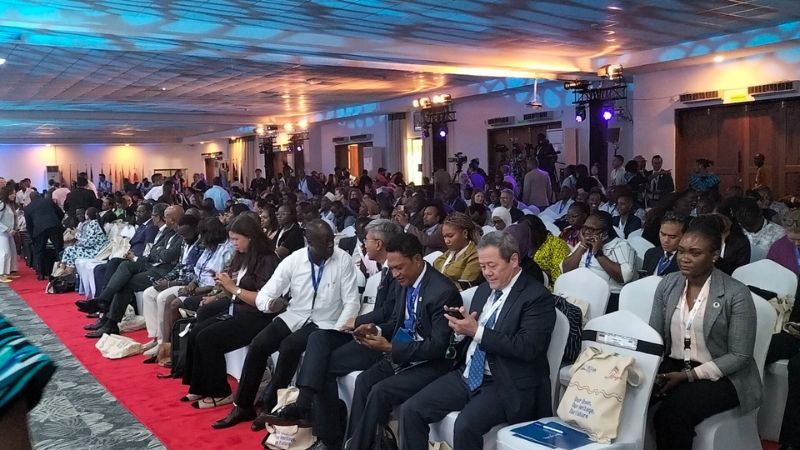
Conservation groups along Kenya’s coast are calling for global ocean commitments to be translated into action for frontline communities, as thousands of delegates gather in Mombasa for the first-ever Our Ocean Conference in Africa.
For years, local environmental groups have led beach clean-ups, restored mangrove forests, protected turtles, promoted recycling initiatives and educated communities about marine conservation.
But with over 2900 commitments worth over USD169 billion pledged since 2014, many say funding rarely reaches grassroot organisations carrying out the work.
“We have to depend on larger organisations to give us a share of the money. But despite our efforts as communities, we rarely get enough funding for our restoration and conservation efforts,” said Daniel Yawa, the vice chairperson at Kuruwitu Marine Community Conservancy.
The conservancy became the first ever Locally Managed Marine Area in Kenya in 2006 where locals restricted access and conserved a section of the ocean to protect its biodiversity in Kilifi County by themselves.
According to Yawa, most communities face first hand challenges on climate impacts on the ocean as it is their main source of livelihood. However, community based organisations lack skills to write proposals and access funding pledged, hence are only implementers of projects rather than key decision makers.
In the nearby Kwale County, along the pristine beaches of Diani, locally led lobbies have also been on the frontline of undertaking beach clean ups and annual festivals to raise awareness about conserving the ocean.
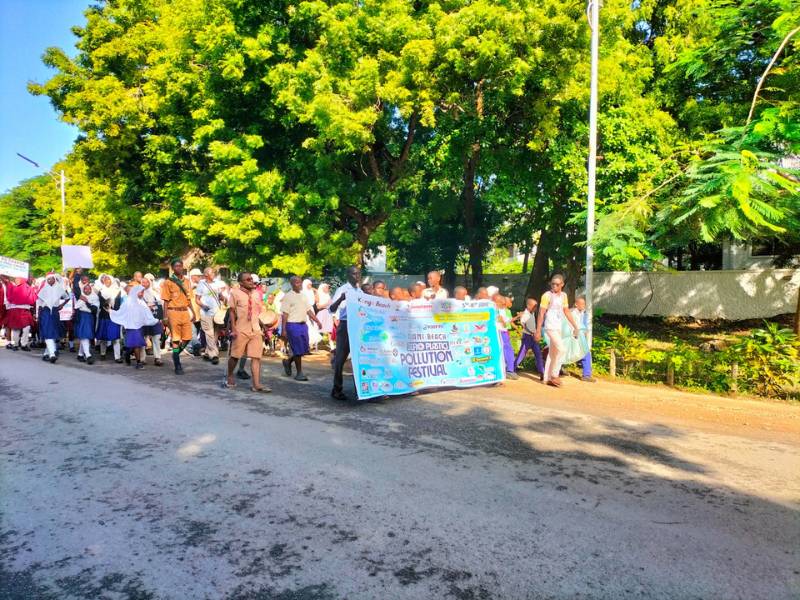
Mohammed Mwachausa, the Executive Director of Samba Sports Youth Trust, an organisation spearheading conservation campaigns among locals said most of the time, resources and funds pledged conferences does not reach community members, youth and women implementing major projects.
He explained that the ocean remains a key resource in coastal communities, hence the need to protect it from threats such as pollution.
“We would like to see a significant portion of conservation funding directed to communities that are already leading these efforts,” said Mwachausa.
The concerns come as more than 6,000 participants from media, governments, civil society organisations, academia and the private sector camp in Mombasa this week for the global conference.
This year’s summit is themed on celebrating the living connection between people and the ocean.
The discussions are focussing on protection of the ocean through Marine Protected Areas, sustainable fisheries, marine pollution, sustainable blue economy, climate change and maritime security.
Speaking in Mombasa, Kenya’s Cabinet Secretary for Mining, Blue Economy and Maritime Affairs, Hassan Joho, described the event as an opportunity for Africa to play a greater role in shaping global conversations on ocean conservation and the blue economy.
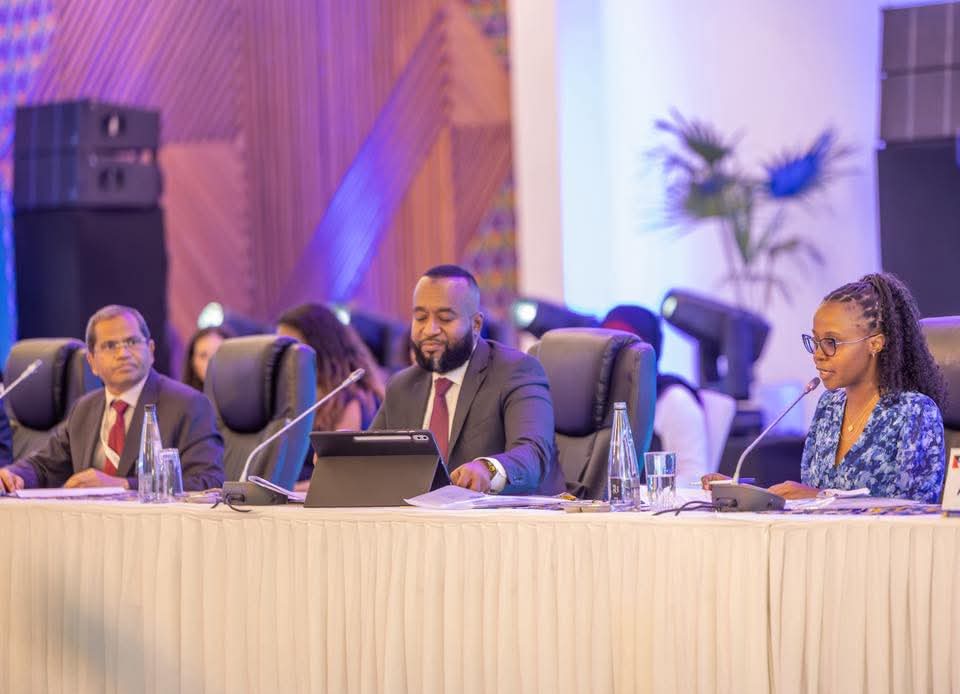
“We must appreciate this is the first time our ocean conference has come to African soil. So being on the continent gives us a great opportunity to have meaningful discussions on what we need to do to ensure we protect our ocean for future generations,” Joho said.
The conference provides an opportunity for countries to exchange ideas on balancing environmental protection with economic development while unlocking opportunities within the blue economy.
“We recognize that this is our new critical frontier in climate conversations, environmental and economic discussions. People are now diversifying and learning how important the blue economy is, going into the future,” Joho added.
According to Joho, more than 2,000 commitments worth billions of dollars have been made through previous editions of the conference, raising hopes that hosting the event in Africa could attract new investments and partnerships for ocean conservation initiatives across the continent
Community led organizations however say the success of the conference will only be when pledges improve the lives of people who depend on the ocean.
Officials from coast based organizations also called for local communities to be included in decisions arising from the conference and for discussions held at international forums to be translated into practical solutions at the grassroots level.
“Solutions can be discussed at higher levels without translating into action on the ground. We need these discussions and solutions to reach local communities so that meaningful action can be taken,” said Juma Nasoro, an official from HERI Kenya, an outfit that works on environmental and public health issues in Kwale County.
Dexter Agesa, Director at Kwale Recycling Centre, said many community-led conservation initiatives are already delivering positive results despite limited resources.
“Communities are already at the forefront through various environmental conservation projects and are doing remarkable work,” Agesa said.
The conference comes as Kenya continues to grapple with issues of rising sea levels and ocean acidification due to climate change, depleting fish stock, marine plastic pollution threatening ocean biodiversity and scramble for fisheries resources along the coast region.
The previous conference was held in Busan, South Korea last year, where Kenya’s priorities were reduction of single use plastics entering water bodies restoration of coral reefs, investing in sustainable coastal tourism and community conservation, and enhancing maritime security.
This story was produced as part of the 2026 Our Ocean Conference Journalism Fellowship organised by the Internews’ Earth Journalism Network.