

By Asha Bekidusa | abekidusa@gmail.com
In 2025, I had the rare privilege of attending two major global science journalism conferences – the International Federation of Agricultural Journalists (IFAJ) Congress in Nairobi and the World Conference of Science Journalists (WCSJ) in Pretoria. Experiencing both felt like earning a double major in science journalism—and by the end of the year, I was undeniably transformed.
The IFAJ Congress 2025, held in Nairobi from 15–18 October under the theme “Unlocking the Agricultural Potential in the Cradle of Mankind,” brought together agricultural journalists from around the world to exchange ideas, explore innovations and engage directly with farmers and industry leaders. Hosted by the Media for Environment, Science, Health and Agriculture (MESHA), the congress felt especially meaningful on home soil. As a MESHA member, it was both a professional and personal milestone.
WCSJ 2025, held from 1–5 December in Pretoria, marked the first time the biennial conference was hosted on African soil. Under the theme “Science Journalism and Social Justice: Journalism that Builds Understanding and Resilience,” it convened a diverse global community of journalists, scientists, and communicators to interrogate how science reporting can shape more just and resilient societies.

While both meetings shared a common goal—strengthening science journalism—they differed in scale, focus and approach. Together, they offered complementary lessons worth reflecting on.
At their core, both gatherings were about reporting what communities do to elevate science. They brought together people committed to evidence-based storytelling and public understanding of science. IFAJ hosted a more intimate group of about 200 participants, enabling deeper conversations within the agricultural journalism space. WCSJ, with nearly 400 participants, reflected the vastness and diversity of the global science journalism ecosystem.
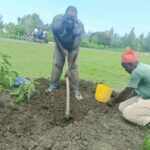
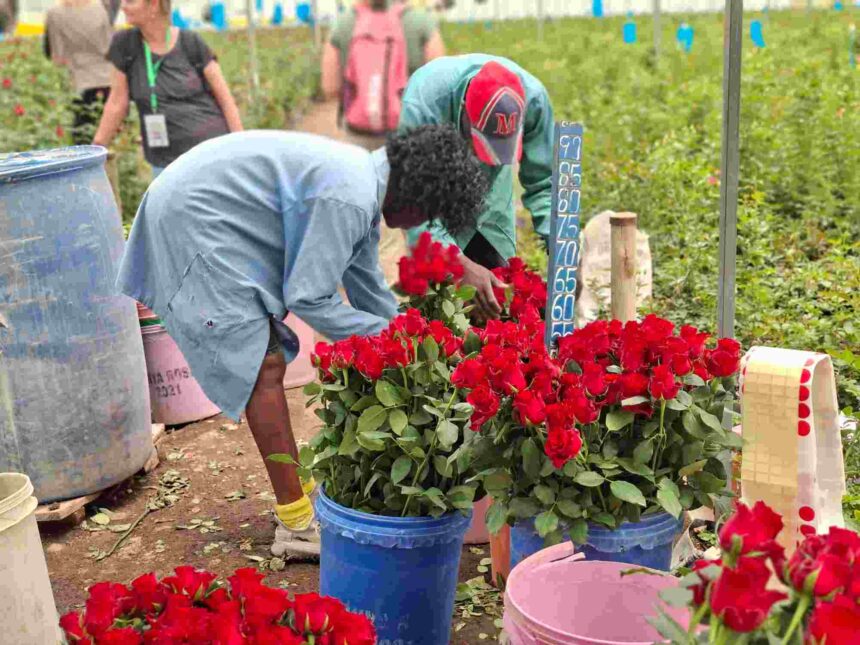
The learning extended beyond conference halls. Through IFAJ field trips, I witnessed Kenya’s first vertical lake, visited flower farms in Kajiado (they are quite difficult to allow journalists to visit them anyway hence the Congress literally opened doors for me), and explored a farm owned by a fellow journalist called Fred’s Ranch in Isinya, south of Nairobi on one’s way to Kenya, Tanzania border —experiences that grounded reporting in food security, livelihoods and sustainability. Witnessing agriculture unfold across Kenyan counties made the learning immediate and deeply relevant in a country where farming underpins the economy.
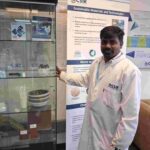
WCSJ field trips, by contrast, expanded my scientific horizons. A visit to the Nuclear Medicine Research Infrastructure (NuMeRI) at the University of Pretoria revealed how advanced diagnostics and cancer treatment are transforming healthcare. Another trip to the Cradle of Humankind at the University of the Witwatersrand reinforced Africa’s central place in human history and scientific discovery.
Ultimately, the conferences complemented each other. IFAJ offered depth—focused, specialized insight into agriculture, food systems, nutrition and sustainability. WCSJ offered breadth—a multidisciplinary buffet spanning climate change, health, artificial intelligence, space science, and nuclear medicine.
Together, they marked a major milestone in my career. IFAJ reaffirmed why agricultural and grassroots science journalism matters. WCSJ underscored why African voices must be amplified on the global stage.
As I step into 2026, I carry forward the depth gained from IFAJ and the global perspective shaped by WCSJ—lessons that will continue to influence how I tell stories, build collaborations, and pursue impact.