

By Sharon Atieno | sharon@meshascience.org
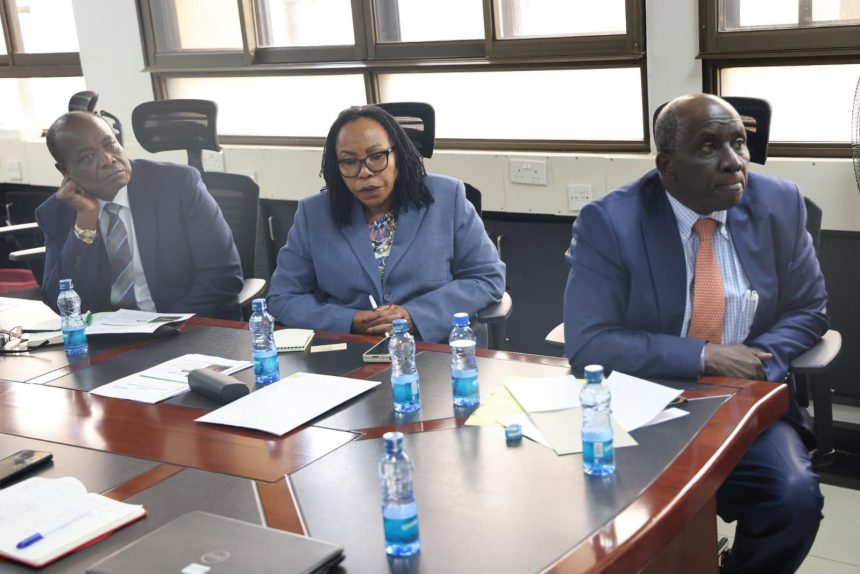
The Media for Environment, Science, Health and Agriculture (MESHA) held a meeting with a section of the National Assembly Health Committee Members on 24th June, 2026 to explore how to breach existing health communication gaps.
The meeting explored possible areas of partnership to achieve this goal with a critical focus on the need to involve policy makers as key sources in health reporting.
Welcoming the idea, Hon. (Dr.) James Nyikal, Committee Chairperson, stressed the need for stronger collaboration with the media to bridge the gap between public policy and public understanding.
He pointed out that there is need for public awareness in areas such as the Social Health Authority (SHA) which is flawed with a lot of misinformation.
“Thirty million Kenyans have registered, but only about four to five million have paid their premiums. These are the people who can access inpatient services, yet many of the 30 million registered members believe they are entitled to the same benefits,” said Dr. Nyikal.
He explained that the government fully covers primary healthcare services at Level 2 and Level 3 facilities for all registered members, regardless of premium payments. However, access to inpatient hospital services requires contributors to have paid their premiums.
“If you are registered, you can receive services at health centers and dispensaries free of charge. However, for hospital admission and inpatient care, you must have paid the premium. Many Kenyans are unaware of this distinction,” Dr. Nyikal said.
Hon. (Dr.) Owino, Health Committee Member and Ndhiwa MP highlighted the need for more communication to improve health seeking behaviours of men to overcome cultural barriers that keep them from doing so.
“Statistics show that men are less likely to access healthcare because of how they are socialised. Many are taught to remain strong and avoid showing vulnerability, even when they are unwell,” he said.
He advocated for the need for stronger media messaging on preventive care to help people stay healthy and avoid getting sick, noting that prevention is better than cure.
Hon. Mary Maingi, Health Committee Member and Mwea MP, urged journalists to prioritize factual, evidence-based reporting and to communicate scientific information in local languages to improve public understanding and trust.
“Media used to be factual but now there is a lot of missing evidence. It is quite difficult to tell the difference between social media and mainstream media,” she said.
Aghan Daniel, MESHA Chief Executive Officer, proposed a structured partnership with Parliament, including monthly Science Media Cafés and special publications that explain complex health policies, such as the SHA and the Tobacco Control Bill.
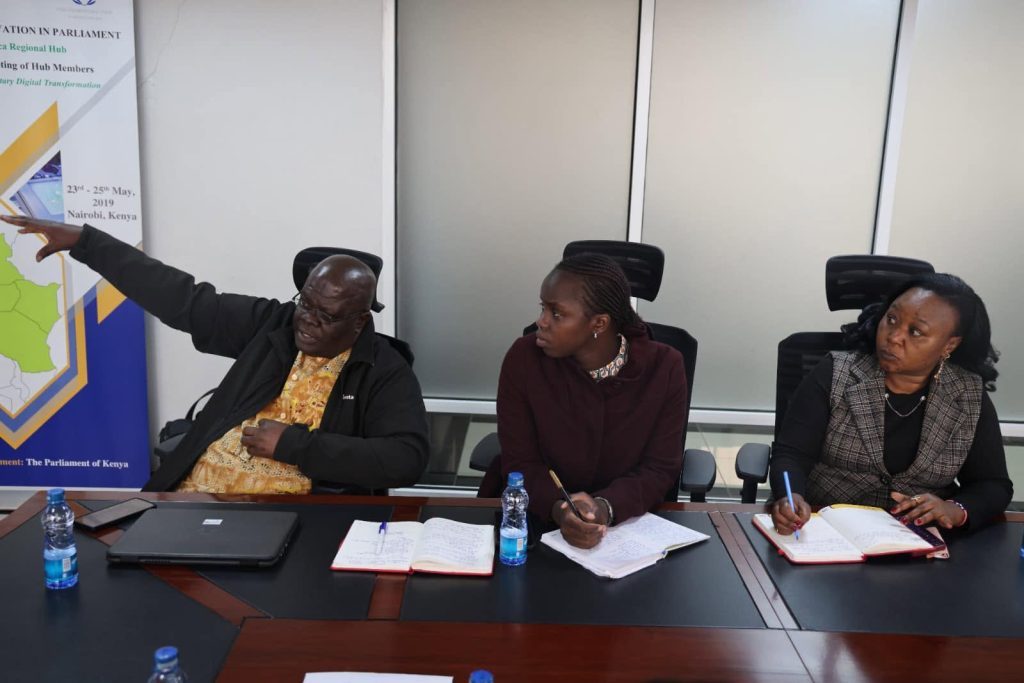
He called for the need for a sustained relationship noting that regardless of legislators’ tenure lasting five years, there is need for institutional memory to improve public health communication. Even if not elected to the position, the legislative experience and policy understanding can help improve public health communication and sustain health advocacy.
“The life of parliament is five years, but what happens after five years? The life of a parliamentarian is like a soldier, once a parliamentarian always a parliamentarian. It is this team that even if they are out of parliament, that can even work with a media team like this to help support even issues of legislation. I think there is a lot of experience that has been gained that can help us better communicate issues of health,” Aghan noted.
On his part, John Riaga, MESHA board member, stressed the need for collaboration between the two teams to improve overall health outcomes for the Kenyan people.
“We are exploring ways to bridge the gap between policymakers and the public. Many important decisions are being made that citizens know very little about,” he said. “Through such collaborations we can create more awareness, impact and improve the health of our people,” added Riaga.
Aghan noted that the committee should do its best to vouch for inclusion in the budget a fund for health journalism. He impressed upon the MPs to remember that the need for health information through the media is increasing exponentially as private media houses face closure due to hard economic times.
For a start, the Committee invited journalists to attend an upcoming tobacco control retreat to ensure balanced reporting on the issue.
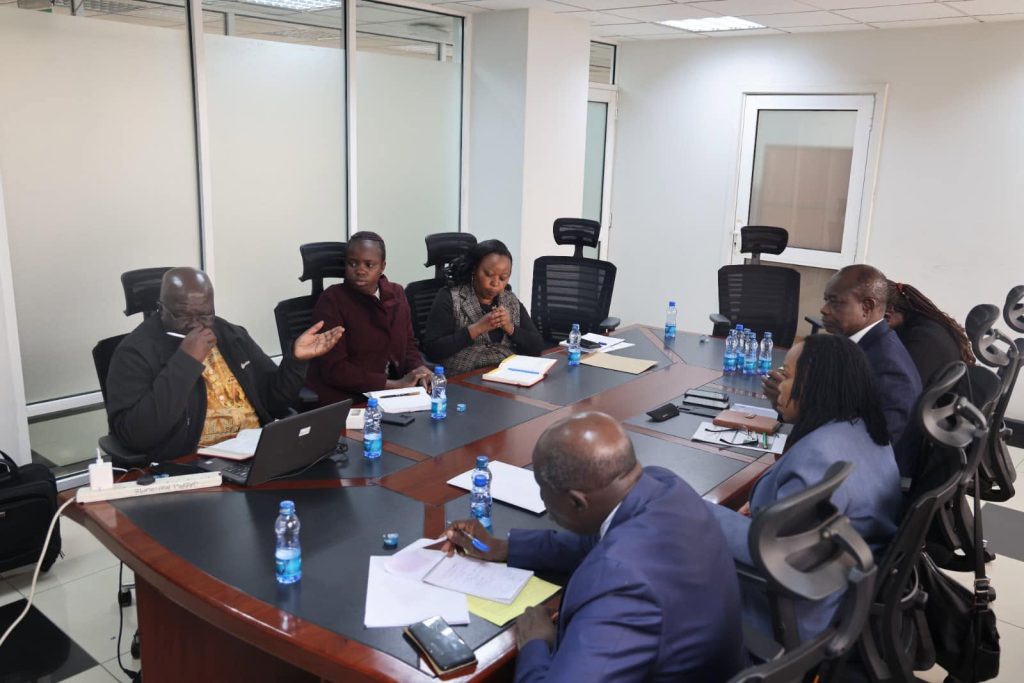
The lawmakers and MESHA officials agreed to develop a joint calendar for regular briefings, improve journalists’ access to experts, and increase public awareness of parliamentary work in health and science policy.
©MESHA Features 2026