

By Calvin Manika | calvinmanika2018@gmail.com
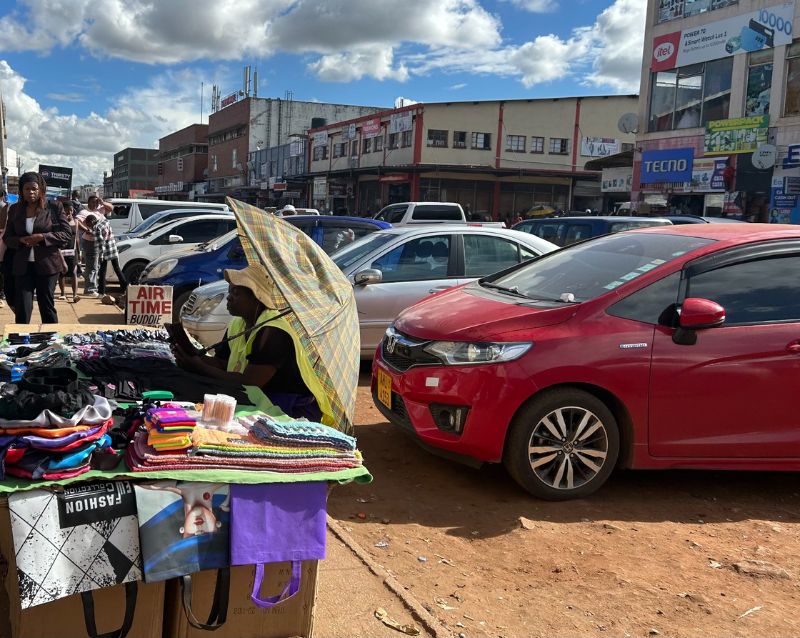
On an early February afternoon, the midday sun turns the tarred pavements of Harare’s central markets into a blazing grill-despite it being the rainy season. After a week without rain, temperatures range between 30°C and 38°C. Along sidewalks and transport hubs, vendors unpack tomatoes, groceries and second hand clothes, their skin slick with sweat.
For Zimbabwe’s urban informal traders, overwhelmingly women, rising heat is reshaping how they work, where they sell and whether they can survive economically in a city on the frontline of climate change.
Harare, Zimbawe’s capital, which sits in a tropical highland climate zone, now regularly records summer heat above 38°C, a threshold at which outdoor labour becomes hazardous. Climate experts warn this will intensify as global temperatures rise.
“It will be exacerbated locally by the urban heat island effect, where concrete, asphalt and limited vegetation trap and radiate heat,” said climatologist Tinotenda Mushambi. “Vendors who cannot afford shade, water or adaptive gear face a hard choice: work and risk heat stress, or stay home and lose the day’s earnings.”
Informal trade has long been a survival strategy in a city shaped by economic contraction, high unemployment and a shrinking formal job market. Thousands rely on street vending for daily income.
But that fragile economy is increasingly strained by extreme heat.
Women dominate food and produce vending, roles that demand long hours outdoors. They also shoulder unpaid care work, spending evenings tending children and fetching water in a city where supplies are rationed and many suburbs go days without running water.
Gender inequality compounds vulnerability. Women in informal settlements often lack secure land tenure and are excluded from planning processes and formal support systems, limiting their access to climate adaptation measures.
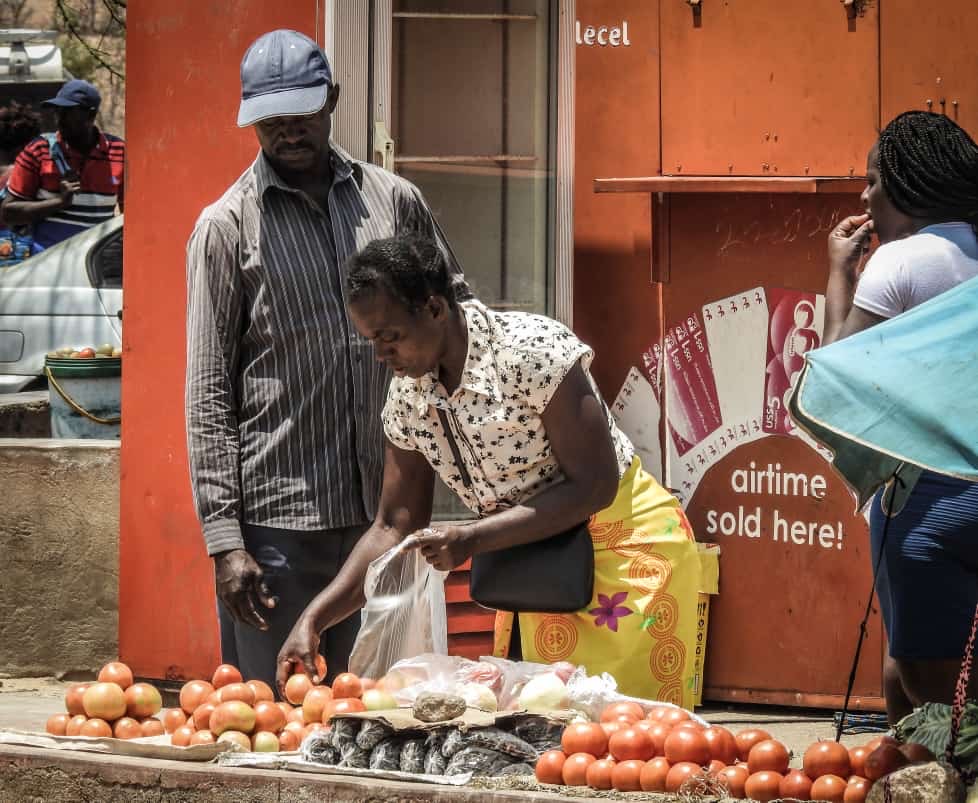
“I sell tomatoes here all day,” said 42-year old vendor Rutendo Vheremu near Mbare Musika. “When it’s hot, customers stay under shade or in their cars. I sit in the sun.
My back aches, but if I stop, I lose money.”
Memory Chaibva, who sells fruit along a busy street, echoed the strain: “In summer, the sun is relentless. I get headaches, but I cannot stop, people at home need food.”
Heat not only affects bodies -it erodes incomes. Vendors often lack capital for shade structures, refrigeration or water storage. Research across African cities shows that extreme heat forces many informal workers to shorten their workdays, cutting earnings and increasing risks of dehydration and exhaustion.
Water, the most basic defence against heat, is scarce. Many vendors lack reliable access at their workplaces. During heatwaves, queues swell, forcing traders to ration what little they carry. “Sometimes we bring small bottles from home, but they cannot last all day,” said Gladys Rinoona, another vendor. “We drink sparingly or buy water, but it’s expensive.”
With limited green space and public shade, traders cluster in high-traffic areas exposed to direct sun. Mushambi notes that dehydration, fatigue and headaches are common, and pregnant women face heightened health risks.
Climate and informal economy policies often overlook gender-disaggregated data, leaving such realities invisible. A 2025 report by the United Nations Development Programme warns that Harare’s fastest growing informal settlements sit on fragile land with minimal infrastructure, exposing residents to escalating climate hazards. Beyond physical strain, prolonged heat and income uncertainty take a psychological toll.
Urban climate stress, Mushambi said, is linked to anxiety and depression, disproportionately affecting women responsible for household finances and caregiving.
Despite these pressures, informal trade remains a pillar of resilience. Women vendors provide affordable goods, sustain households and finance children’s education. Yet climate impacts are steadily eroding these gains. “Heat not only reduces working hours, thereby shrinking earnings, it spoils perishable goods, deters customers when temperatures soar, and makes outdoor marketplaces inhospitable,” added Mushambi.
Other experts argue that addressing the intersection of heat, gender and informal economies requires more than short-term coping strategies.
It requires policy frameworks that recognise informal work as an integral part of urban economies, and climate plans that factor in the needs of the most vulnerable.
“Closing gender data gaps, integrating informal vendors into urban climate adaptation planning, and investing in infrastructure, from water points to shaded marketplaces are among the steps recommended by researchers working across Zimbabwe’s cities,” said Tinos Gumbo, a smart city planning expert.
Vendors said the change in climate especially incessant heat has heightened the risk of their business. Women vendors who hawk in high density suburbs say they are forced to reduce the rounds and distance they make. Such measures taken for health reasons, are reducing the income streams by a quarter of the total they used to make. Informal traders in the Harare Central Business District said high heat affects the green vegetables and fruits, making them easily perishable.
Vheremu said in winter or cool days they sell all day and sometimes buy in bulk, as the weather helps them in storing the perishables.
“During hot days I need to go to the market every day for fresh produce, but in cool days I might take two to three day before I go. It saves money on transport and profit me,” said.
“Also, it means I can sit or stand in the streets for many hours. Make more money. But in any case we are losing more and more for the past years due to increasingly hot days in each annual calendar.”
Experts argue that protecting women informal traders requires more than short term coping strategies.
It calls for climate policies that recognise informal work as central to urban economies and integrate gender responsive adaptation — from shaded marketplaces and reliable water points to inclusive planning processes.