

By Amina Chombo | aminachombo@gmail.com
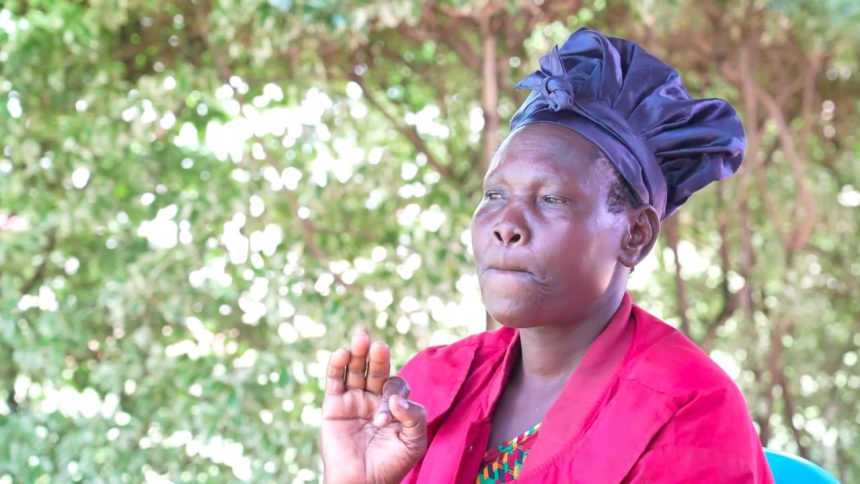
In a quiet corner of Interchristian Fellowships’ Evangelical Mission (ICFEM) Dreamland Mission Hospital in Kimilili, western Kenya, Violet Osanyire sits patiently with her two-and-a-half-year-old grandson curled against her.
Before he was born, Violet had already made up her mind that she would help raise him. As fate would have it, when her son’s child arrived with a cleft lip and palate, the family’s joy quickly turned to fear. The baby’s teenage mother stayed for only four months before leaving, saying she could not raise a child with such a condition.
Violet still remembers the panic in the delivery room and recalled how she thought the baby had been injured during birth.
The baby’s grandfather refused to be named after him.
“So, you named him after me? Look at the baby. How does he look? This child will die because he cannot breastfeed,” he told his wife.
The baby struggled to feed, relatives doubted he would survive and stigma surrounded his condition. Violet refused to give up.
A friend later told her son about free cleft surgery at the Mission hospital. By then, the boy had already undergone his first surgery, a cleft lip repair at Moi Teaching and Referral Hospital in Eldoret, that cost the family KSh280,000 (US$2,188), a bill they could only clear by drawing on an uncle’s medical insurance.
Although the operation repaired his lip, the cleft palate persisted.
That brought Violet and her grandson to Dreamland Mission Hospital, where he underwent a second operation. Today, she is back once again, waiting outside the operating theatre as he prepares for a third surgery.
“I thank this hospital for the free services,” Violet says.
“It is my hope that after this surgery my grandson will speak well and go to school when the time comes.”
She says feeding him during infancy was the greatest challenge. Without the support of nurses and nutritionists at Dreamland, she believes the journey would have been far more difficult.
Another grandmother, another battle
Just a few seats away is another grandmother whose story echoes Violet’s.
Eunice Nanjala Simiyu is raising two grandchildren born with cleft lip and palate, a responsibility that nearly cost her marriage.
Her 12-year-old granddaughter Esther, is at the hospital for a second surgery. Esther’s father was also born with a cleft lip and underwent corrective surgery as a child. When Esther’s younger brother Enos was born with the same condition four years ago, their mother decided she could no longer cope.
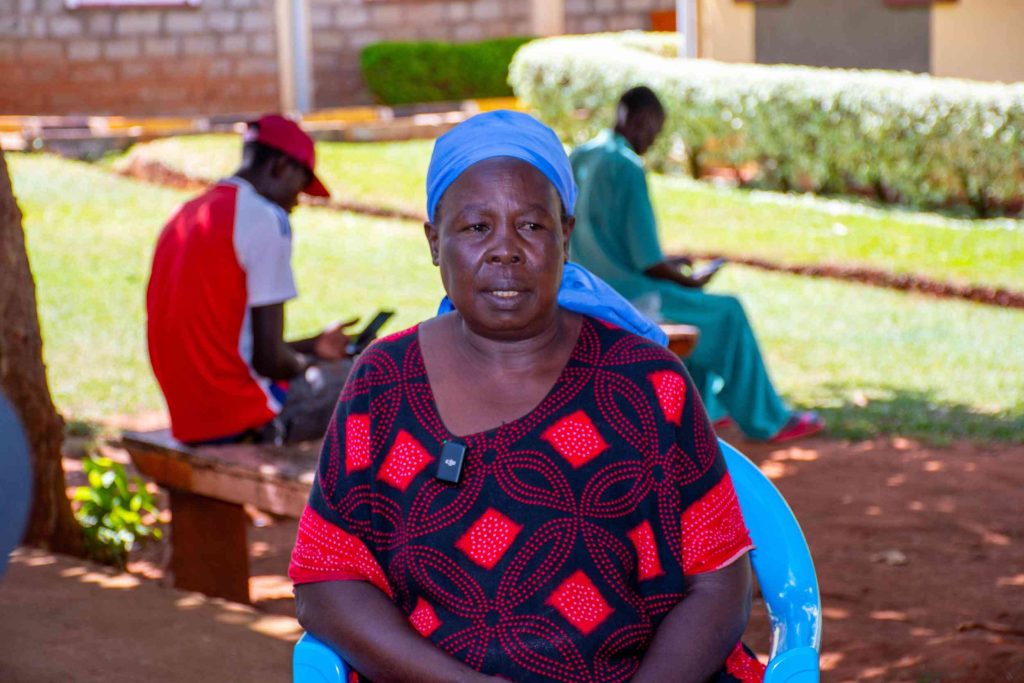
“She said she could not continue giving birth to children with cleft lip and palate,” Eunice recalls.
Despite knowing her husband had been born with the same condition and had gone on to live a healthy life after surgery, the children’s mother abandoned both of them.
The decision divided the family. Eunice says her late husband once asked her to choose between their marriage and raising the children. Relatives intervention is what kept the family together while the children received treatment.
Now widowed, Eunice continues to raise Esther and Enos alone.
“I urge parents not to abandon children born with cleft lip and palate. Take them to hospitals like Dreamland, where they receive free surgery, feeding support and speech therapy.”
Across Kenya, children born with cleft lip and palate continue to face stigma rooted in myths, misinformation and cultural beliefs. Some are hidden indoors, while others are abandoned because families believe the condition is a curse, caused by witchcraft or a bad omen rather than a treatable congenital condition.
Cleft lip and palate are among the most common congenital conditions worldwide. Experts estimate that between 1,000 and 1,200 children are born with the condition in Kenya each year.
Although free comprehensive care is available in several hospitals through partnerships with organisations such as Smile Train Africa, many children still access treatment late because families either do not know if help exists or fear being judged by their communities.
Understanding the science
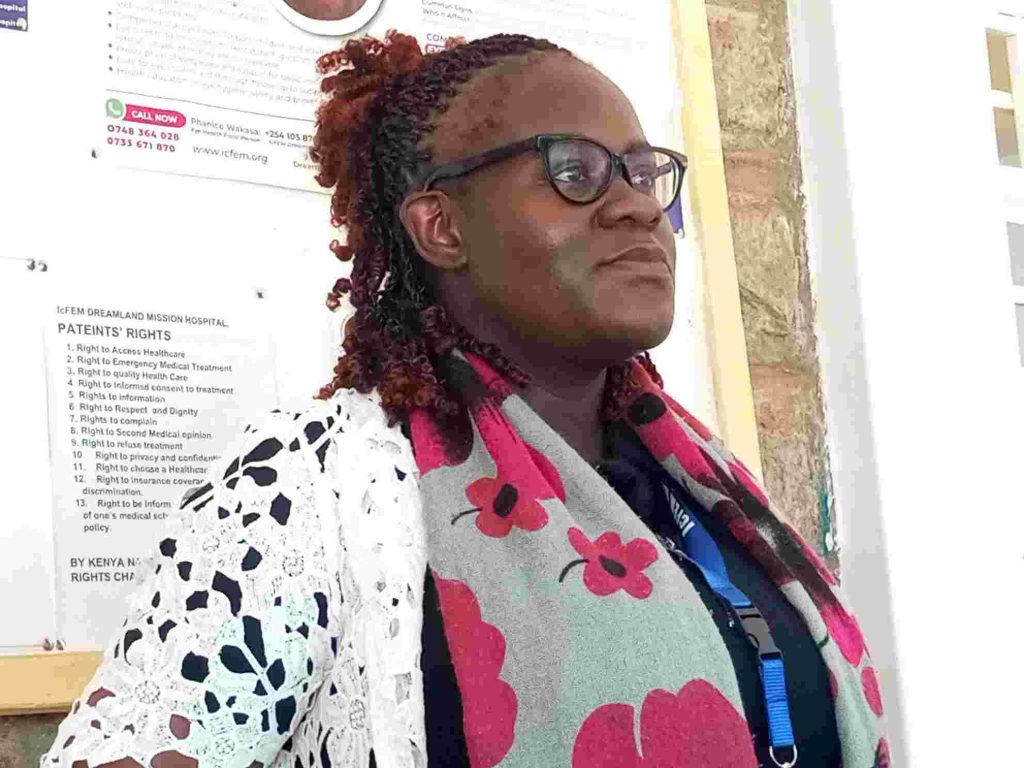
For Miriam Nabie-Musasizi, the hospital’s lead clinical nutritionist, the story begins long before birth.
During the first trimester, a baby’s face develops rapidly. The upper lip is largely formed by around the sixth week of pregnancy, while the palate closes by approximately the twelfth week.
The exact cause of cleft lip and palate is not fully understood. According to Nabie-Musasizi, the condition results from a combination of genetic and environmental factors.
Research has linked maternal smoking, exposure to harmful chemicals, poor maternal nutrition, including inadequate folic acid during early pregnancy and certain medications to an increased risk, although these factors do not explain every case.
“We encourage women to begin antenatal care as soon as they know they are pregnant, or even before conception if they are planning a pregnancy, so they can receive folic acid supplements during the critical early weeks when the baby’s lip and palate are forming,” she says.
Malnutrition, the hidden danger
For babies born with a cleft palate, the biggest threat is the inability to feed because without specialised feeding support, many babies become severely malnourished before they are old enough for surgery.
“We have received babies at three months weighing only one kilogram,” says Nabie-Musasizi.
“Some develop infections because of feeding challenges and poor hygiene. Sadly, we lose some of them, but early referral gives these children a much better chance of survival.”
According to Dr. Odhiambo Bati, a maxillofacial surgeon at Dreamland Mission Hospital, says cleft lip and palate can be successfully treated when children receive timely care.
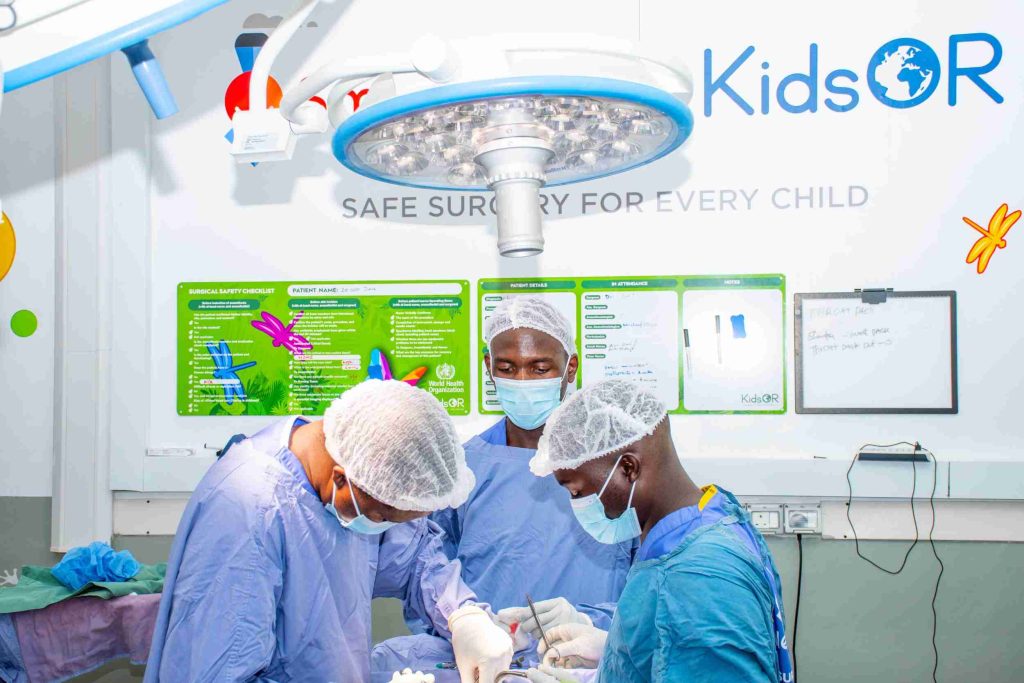
Children usually undergo cleft lip repair from around three months of age after reaching a healthy weight and haemoglobin level. Palate repair follows later to reduce surgical risks and support normal facial growth.
Despite persistent myths surrounding the condition, Dr. Bati says children born with clefts can grow into healthy, productive adults.
Finding their voice
Surgery, however, is only one part of recovery because many children continue to struggle with speech even after successful palate repair, making speech therapy essential.
“Communication is a human right,” says Dr. Duncan Musasizi, a cleft speech therapist. “When children cannot communicate effectively, it affects their education, confidence and future opportunities.”
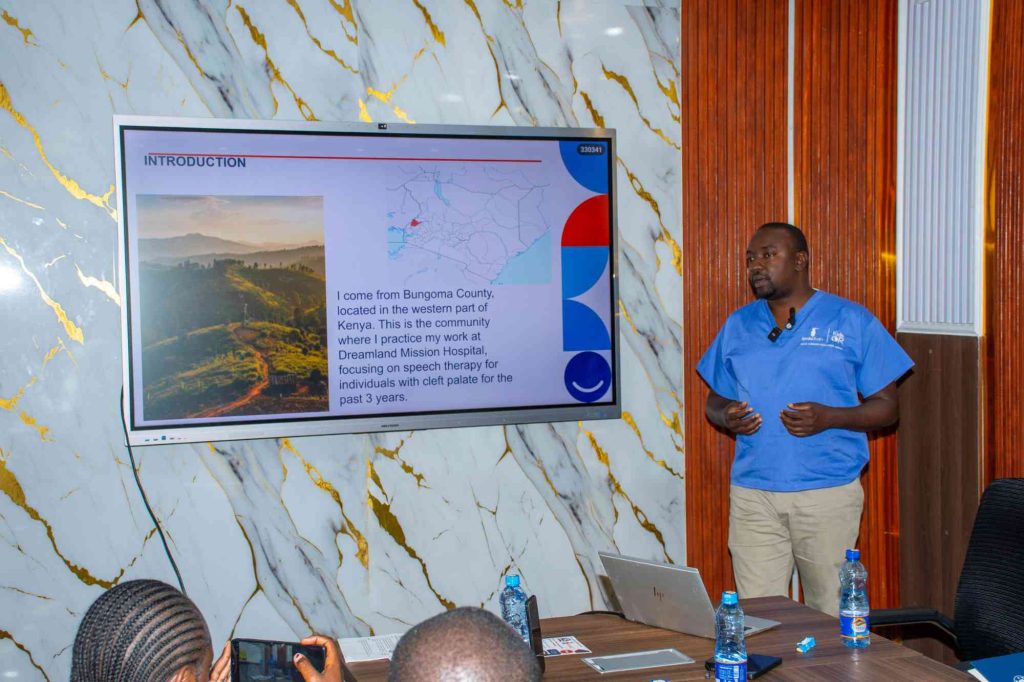
He says children who receive surgery and speech therapy early often recover much faster than those treated later in life. The approach ensures families receive much more than surgery, from nutrition counselling and feeding support to speech therapy.
©MESHA Features 2026