

By using this site, you agree to the Privacy Policy and Terms of Use.
Accept
MESHAMESHAMESHA
  • Home
  • Who We Are
    • About
    • Management
    • Strategic Plan, 2023-2027
    • Safeguarding Policy
  • Sayansi Magazine
  • Media
    • Audio
    • Videos
    • Photos
  • Membership
    • Accredited Members
    • How to Join MESHA
  • IFAJ Congress
    • IFAJ 2025 Congress Website
    • IFAJ 2025 Congress Bulletin
Search
Categories
  • Climate Change
  • Health
  • Biodiversity
  • Agriculture
  • Environment
© 2024 MESHA. All Rights Reserved.
Reading: Scientists: Controlled environments key in keeping livestock diseases at bay
Share
Sign In
Notification Show More
Font ResizerAa
MESHAMESHA
Font ResizerAa
  • Home
  • Who We Are
  • Sayansi Magazine
  • Media
  • Membership
  • IFAJ Congress
Search
  • Home
  • Who We Are
    • About
    • Management
    • Strategic Plan, 2023-2027
    • Safeguarding Policy
  • Sayansi Magazine
  • Media
    • Audio
    • Videos
    • Photos
  • Membership
    • Accredited Members
    • How to Join MESHA
  • IFAJ Congress
    • IFAJ 2025 Congress Website
    • IFAJ 2025 Congress Bulletin
Have an existing account? Sign In
Follow US
© 2024 Mesha. All Rights Reserved.
Livestock | Animal Health

Scientists: Controlled environments key in keeping livestock diseases at bay

Mesha
Mesha
Published: 7 October 2026
Share
3 Min Read
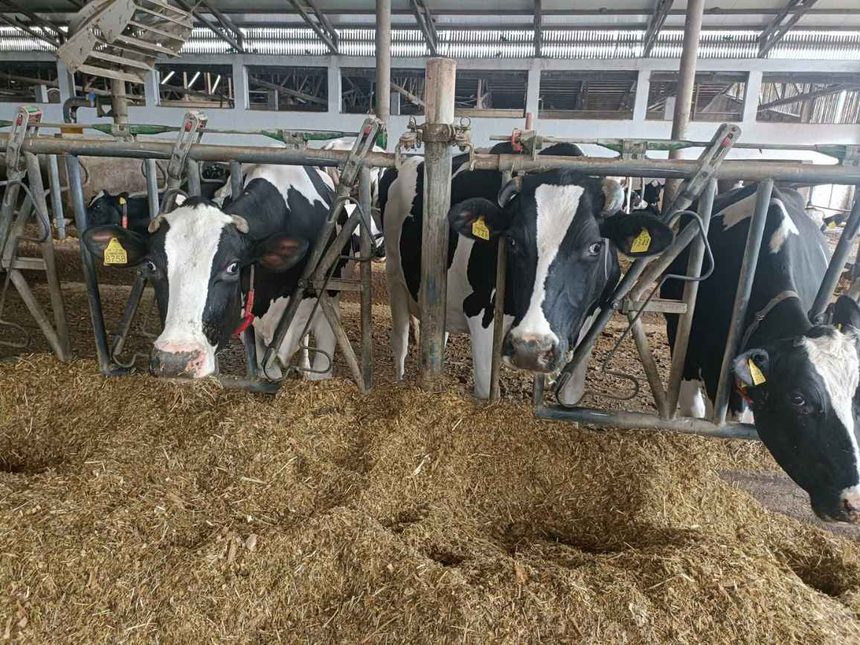
High quality cattle: An expo held recently in the outskirts of Nairobi, Kenya highlighted the growing importance of advanced genetics, reproductive technologies, vaccination and improved livestock management systems. Photo Credit I Aghan Daniel
SHARE

By Bozo Jenje I bozojenje@yahoo.com

Farmers, livestock breeders and animal health experts from six countries gathered in Kenya for the 2nd Annual Six Nations Livestock Genetics and Equipment Tech Expo held at Kinga Resorts, Athi River from 11th to 12th September 2026.

The expo provided a platform for participants to learn about vaccines, animal health, breed livestock genetics, advanced reproductive technologies and innovative livestock management practices aimed at improving the quality, productivity and resilience of livestock breeds.

Breeders showcased high-quality genetics, including breeds with traits suited to changing climatic conditions and capable of enhancing livestock productivity.
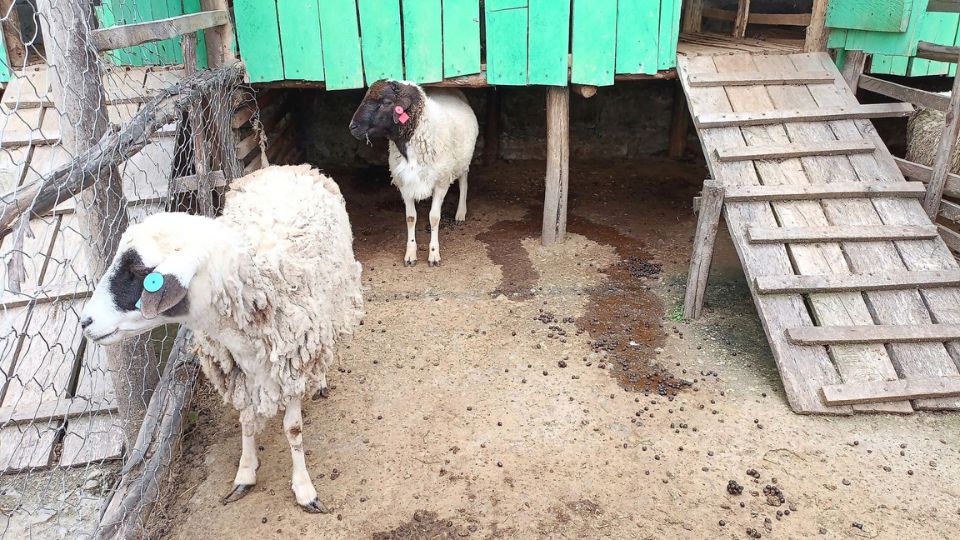
For the love of sheep: Livestock breeders need to embrace innovation and modern reproductive technologies to accelerate the multiplication of superior genetics within their herds.
Speaking at the event, Kenya Veterinary Vaccines Production Institute (KEVEVAPI) Chief Executive Officer Dr Alex Sabuni urged farmers to strengthen disease prevention through regular vaccination and better livestock management practices. He encouraged farmers to adopt feedlot systems as one way of mitigating livestock losses associated with drought and the effects of climate change.

Dr Sabuni also encouraged livestock farmers to embrace the e-voucher system for semen dissemination, noting that the system can enhance traceability and improve the management of breeding programmes.

Scientists from the Kenya Agricultural and Livestock Research Organization (KALRO) emphasised the importance of controlled environments in livestock production. Such environments, they noted, can help improve disease surveillance, facilitate regular vaccination and strengthen parasite control.

Meanwhile, Embryo Plus General Manager Eugene Gachii urged livestock breeders to embrace innovation and modern reproductive technologies to accelerate the multiplication of superior genetics within their herds.

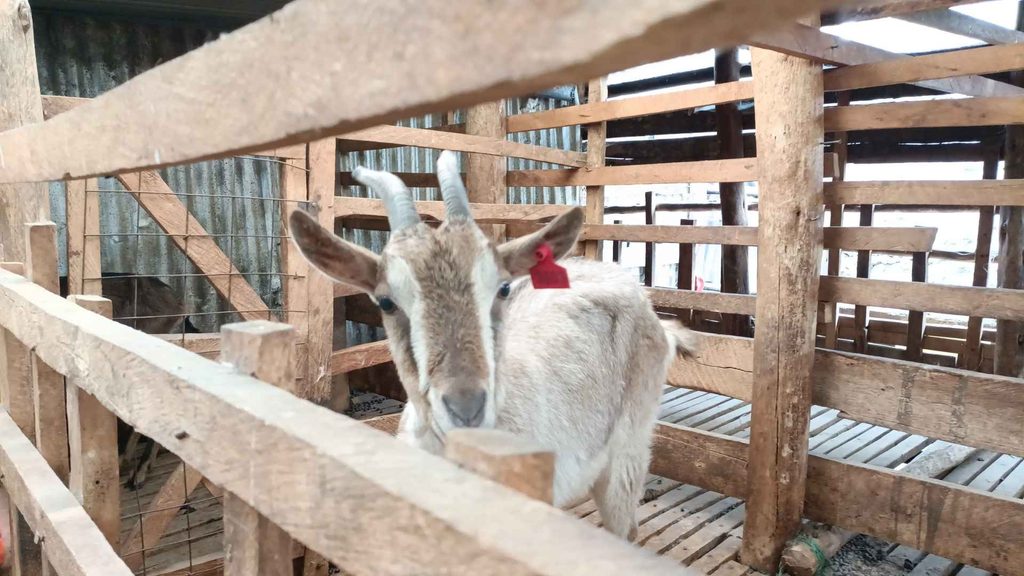
Improved species: Assisted reproductive technologies improve the quality of breeds for goats and sheep.

“Assisted reproductive technologies improve the quality of breeds for goats and sheep,” he said.

The expo also featured a range of livestock breeds from South Africa, including Boer goats, Kalahari Red goats, Sahiwal cattle, Savannah goats and Meatmaster sheep.

Among the exhibitors were Pharmplan Enterprises, Bona Bona Livestock Exporters, which showcased Kalahari Red and Boer goat genetics from South Africa, as well as Crevation International Ltd and CKL Africa Limited.

The expo highlighted the growing importance of advanced genetics, reproductive technologies, vaccination and improved livestock management systems in building more productive and climate-resilient livestock enterprises. The participants were drawn from Kenya, Uganda, Tanzania, Ethiopia, South Sudan and Somalia.

©MESHA Features 2026

You Might Also Like

Women turn to climate-smart farming for steady income in Kenya’s drylands
IFAJ President lauds Kenya’s preparations for 2025 Congress
Senior media leads at MESHA’s climate solutions inception meeting in Nairobi
Kenya faces growing aflatoxin concerns as maize contamination exceeds safety limits
“Unlocking agricultural potential in the cradle of humanity”: chronicle and assessment of the IFAJ 2025 Congress in Nairobi
TAGGED:animal breeding Kenyaanimal health expertsanimal health Kenyaassisted reproductive technologiesBoer goatsclimate change livestockclimate-resilient livestockcontrolled livestock environmentse-voucher semen systemEmbryo Plusfeedlot systemsKalahari Red goatsKALROKEVEVAPIlivestock breedinglivestock disease preventionlivestock disease surveillancelivestock diseases Kenyalivestock farmers Africalivestock geneticslivestock health Kenyalivestock innovation Africalivestock management Kenyalivestock productivitylivestock reproductive technologieslivestock vaccinationMeatmaster sheepparasite control livestockSahiwal cattleSavannah goatssemen disseminationSix Nations Livestock Genetics and Equipment Tech Exposuperior livestock genetics

Sign Up For Daily Newsletter

Be keep up! Get the latest breaking news delivered straight to your inbox.
[mc4wp_form]
By signing up, you agree to our Terms of Use and acknowledge the data practices in our Privacy Policy. You may unsubscribe at any time.
Share This Article
Facebook Twitter Whatsapp Whatsapp LinkedIn Email Copy Link Print
What do you think?
Love2
Sad0
Happy0
Sleepy0
Angry0
Dead0
Wink0
Previous Article Africa’s fruit wealth stuck in low-value trade as processing, markets lag behind
Next Article African regulators call for science-based path on highly hazardous pesticides
//

We are the number one science, health and agriculture journalists network in Africa accessed by over 20 million users.

Quick Link

  • About
  • Sayansi Magazine
  • Accredited Members
  • Mesha Audio
  • My Bookmarks

Top Categories

  • Climate Change
  • Health
  • Biodiversity
  • Agriculture
  • Environment

Sign Up for Our Newsletter

Subscribe to our newsletter to get our newest articles instantly!

[mc4wp_form id=8242]

MESHAMESHA
Follow US
© 2024 MESHA. All Rights Reserved.
Join Us!
Subscribe to our newsletter and never miss our latest news, podcasts etc..
[mc4wp_form id=8242]
Zero spam, Unsubscribe at any time.
Welcome Back!

Sign in to your account

Username or Email Address
Password

Lost your password?