


By Milliam Murigi I milliammurigi@gmail.com
The Media for Environment, Science, Health and Agriculture (MESHA) has brought together senior officials from five English speaking African countries in Nairobi for a two-day meeting to launch the Africa Climate Beacons Newsroom Initiative 2026/2027.
The project, known as Climate Solutions Beacon Newsrooms Initiative, seeks to strengthen reporting of climate solutions to the continent’s climate challenges and action.
The September 29–30 meeting brings together selected newsrooms to develop their plans for climate stories, audience engagement, impact and newsroom transformation.
The newsrooms include Radio Africa Group – Kenya; Water Journalists Africa – Uganda; Media Challenge Initiative – Uganda; Social Voices – Nigeria; Habitat Media – Tanzania; and Zodiak Broadcasting Station – Malawi.
The inaugural cohort represents five African countries and a diversity of media platforms, reflecting the initiative’s commitment to supporting climate journalism across radio, digital, print, broadcast and other emerging media platforms.
Aghan Daniel, MESHA CEO says that the initiative seeks to strengthen the capacity of newsrooms to report not only on the challenges posed by climate change but also on efforts to address them.
“We want to, collectively with newsrooms, strengthen their capacity to move away from reporting mainly challenges posed by climate change to efforts to address them,” Aghan said.
The participating newsrooms will present their plans for stories, impact and transformation as part of the two-day programme. The presentations will provide an opportunity for the newsrooms to share how they intend to approach climate solutions reporting and the changes they hope their work will bring
The meeting also includes training on climate solutions journalism, with participants engaging practicing solutions journalists on what the approach entails and why it matters. The programme will also provide an opportunity for participants to learn from journalists already applying solutions journalism in their reporting.
Audience and community engagement will form another key part of the meeting, with participants exploring how newsrooms can better connect their reporting with the communities they serve.
The participating media houses will also identify areas for collaboration as they seek to strengthen climate solutions reporting.
“The newsrooms will discuss how to make the case for climate solutions journalism, address skepticism and identify climate change issues that should receive greater attention in 2026 and 2027,” Aghan adds.
The second day of the meeting will focus on building climate solutions journalism into newsroom practice, rather than treating it as an occasional reporting approach.
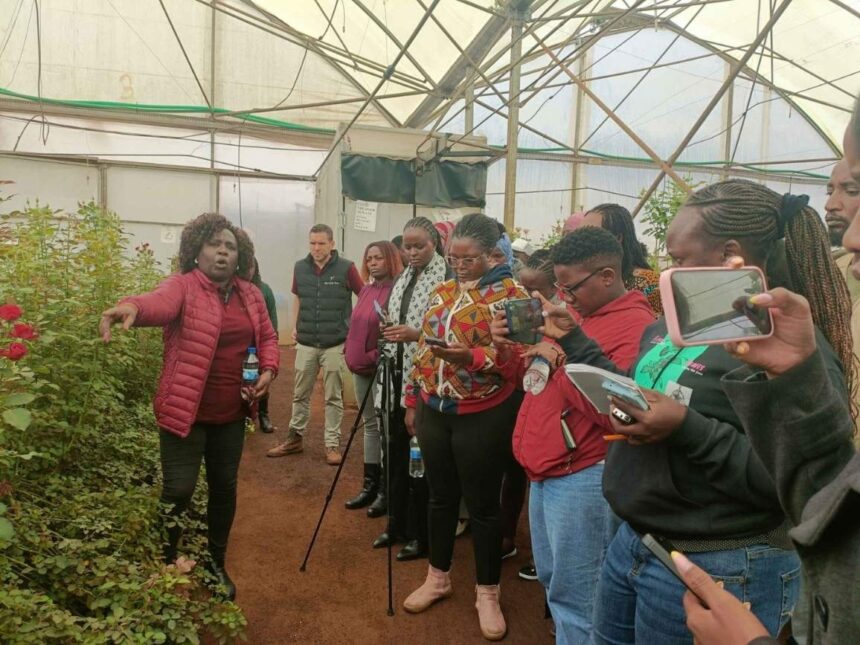
The initiative will further seek to strengthen links between newsrooms and research institutions. A session led by KALRO Director of Communication Dr Floridah Maritim will examine how newsrooms can elevate and sustain climate solutions reporting by working with research institutes. The meeting will conclude with a visit to a KALRO research station, where participants will explore work being done on climate-resilient crops. The visit is expected to give the media leads an opportunity to connect scientific research with climate reporting and identify potential stories around practical responses to climate change.
©MESHA Features 2026