

By Asha Bekidusa | abekidusa@gmail.com
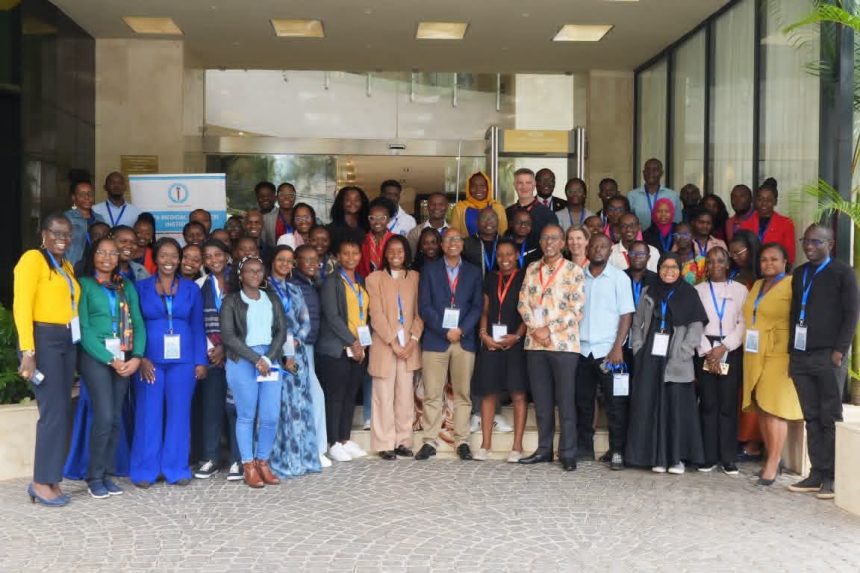
Scientists, journalists and communication professionals have been called upon to strengthen collaboration for scientific research to reach the public in a way that is accurate, accessible and impactful.
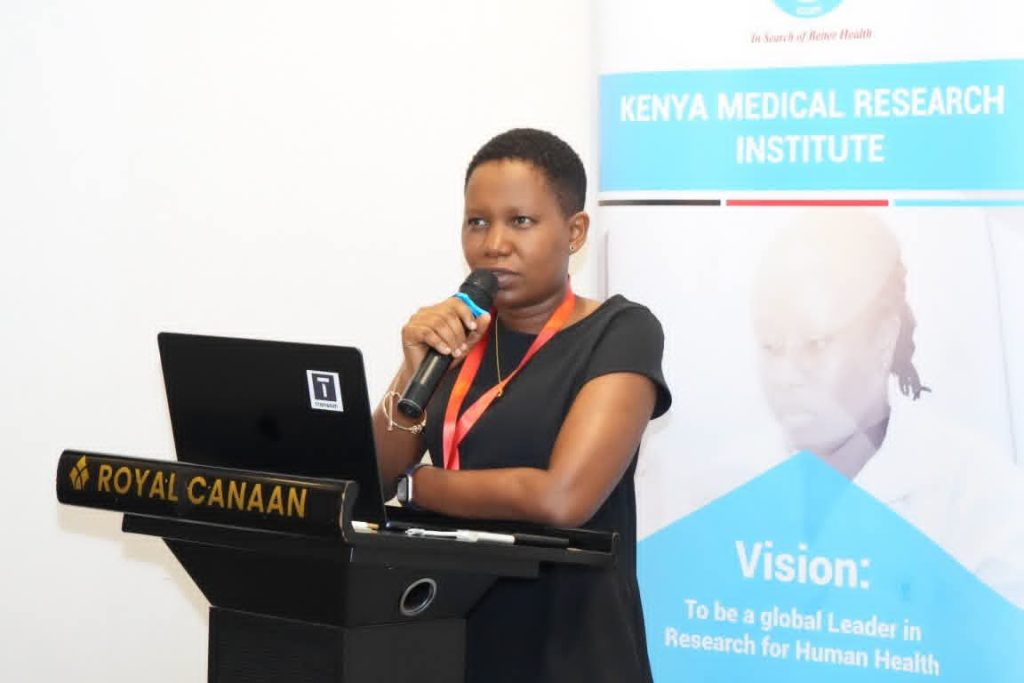
Speaking during the opening of a workshop, the SciJourn-K in Nairobi, Principal Research Scientist at the Kenya Medical Research Institute (KEMRI) and SCIJOURN-K Principal Investigator, Dr. Patience Kiyuka, said scientific research can only achieve meaningful impact if it is effectively communicated to the audience it is intended to benefit.
“Science communication is an integral part of research because the impact of science ultimately affects people’s lives,” she said adding that for scientific research to have an impact, it needs to reach the public, and that can only happen through effective communication.
Dr. Kiyuka encouraged research institutions and journalists to work closely together to bridge the gap between scientific discoveries and public understanding. She noted that partnerships between scientists and the media are essential in translating complex research findings into information that communities can understand and use.
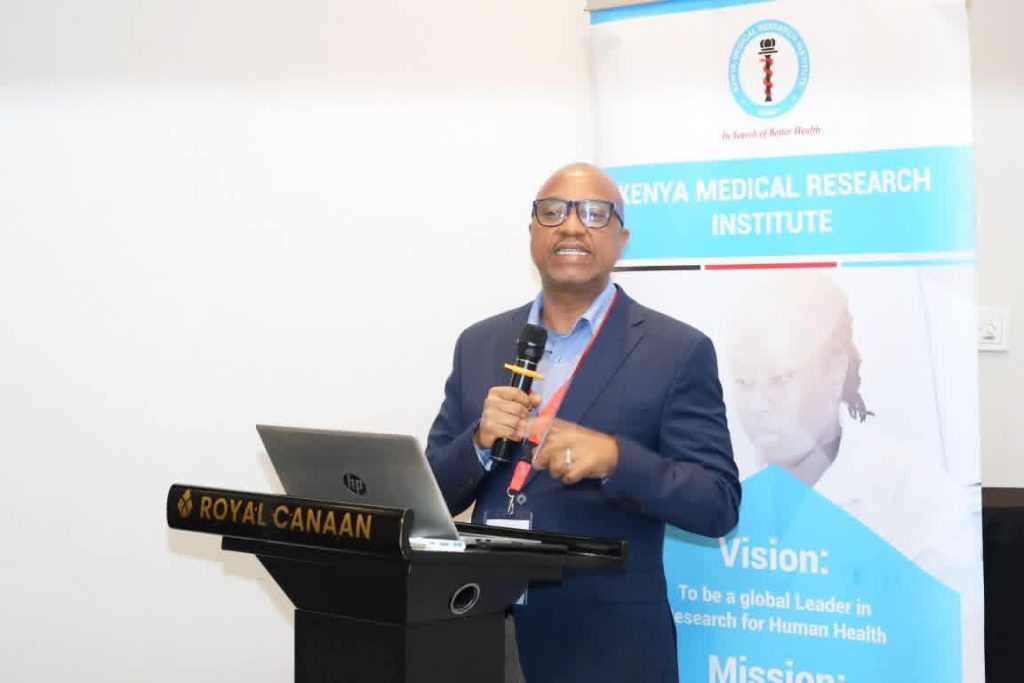
Her sentiments were echoed by Davis Mkoji, KEMRI Deputy Director for Corporate Communication and Co-Principal Investigator, who highlighted the growing role of digital platforms in disseminating scientific information. He said Kenya has one of the world’s most active digital populations, presenting an opportunity for researchers and institutions to engage audiences through online platforms.
“Kenya has one of the most active digital populations globally, with people spending an average of about four hours online daily,” he said. “Science is not complete until it is communicated.”
Mkoji encouraged scientists, communicators and media practitioners to embrace digital media as a powerful tool for sharing research findings, combating misinformation and increasing public engagement with science.
Nation Media Group Editor James Mugendi who attended the July 10, 2026 meeting, called on scientists to become more accessible to journalists, saying that a lack of engagement often creates a disconnect between researchers and the public.
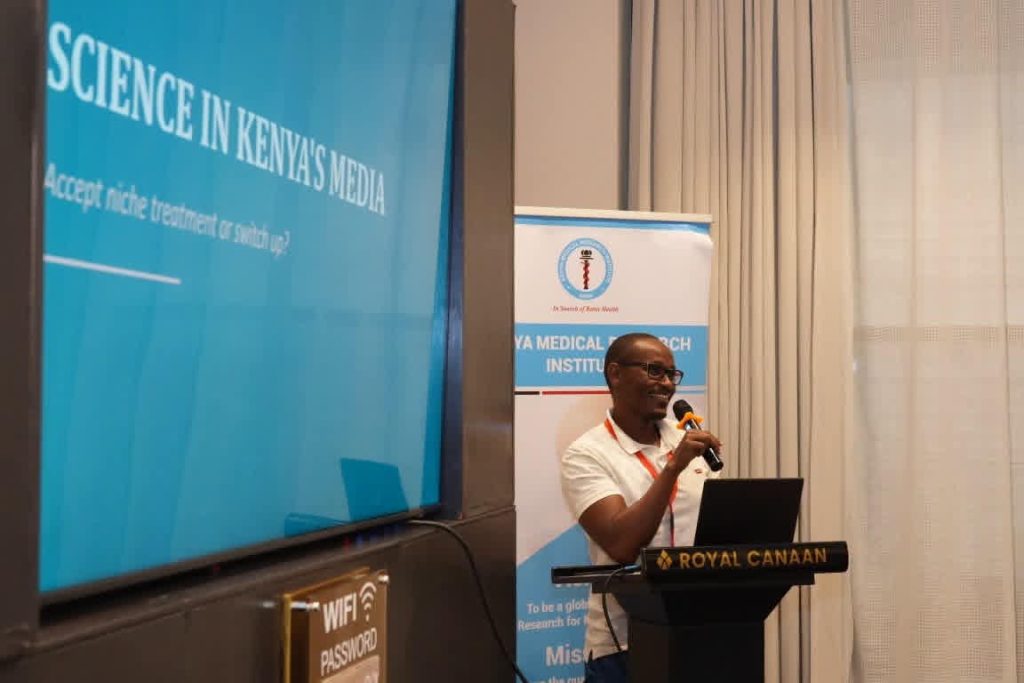
He urged scientists not to fear interacting with the media, noting that journalists play a critical role in translating scientific information into language that ordinary audiences can understand.
“We cannot use highly technical scientific terms when reporting to the public because audiences need to understand the information,” Mugendi said.
“If we use complex language, scientists sometimes feel they have been misquoted, yet the goal is simply to make the information accessible.”
He encouraged researchers to respond promptly to media requests and view journalists as partners in public education rather than critics.
The workshop also featured a session by Prof. Sam Kinyanjui, Head of Training at the Kenya-Wellcome Trust Research Programme (KWTRP), who spoke on countering misinformation and disinformation in science reporting.
Prof. Kinyanjui stressed the importance of communicating clear, simple and evidence-based messages to reduce the spread of false information, particularly on digital platforms where misinformation spreads rapidly. He noted that scientists and communicators have a shared responsibility to ensure research findings are presented accurately while remaining easy for the public to understand.
Participants also received practical training from Gillian Jones and Schalk Mouton of Story Studios Communications, South Africa, under the EurekAlert Science Journalism programme.
The facilitators emphasized responsible science reporting through clear, narrative-driven storytelling. They urged participants to look past dry data and focus on real-world impacts that ground scientific discoveries in daily life.
They also emphasized ethical science reporting, accuracy and responsible storytelling as key elements in building public trust in science.
The SciJourn-K workshop brought together more than 50 participants, including journalists, communication officers, scientists and researchers from across Kenya. The training aims to strengthen science journalism and improve collaboration between researchers and the media to ensure scientific evidence informs public understanding and decision-making.
©MESHA Features 2026